


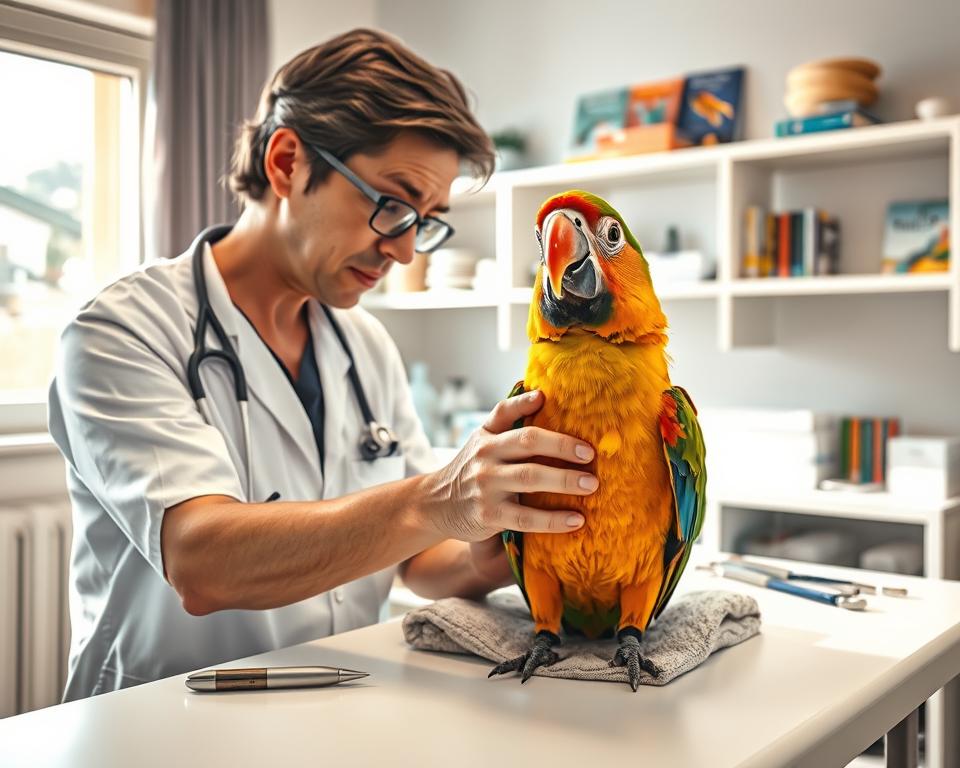
If you own a bird, you might not know about egg binding. It’s a serious issue that can be deadly for female birds. Many birds face this problem, which can cause big health issues if not treated.
Dealing with egg binding in birds can be tough. But, with the right info, you can help your bird. This guide will show you how to care for your bird with egg binding. You’ll learn how to help your bird get better.
Key Takeaways
- Understand the causes and symptoms of egg binding in birds.
- Learn how to identify the signs of avian egg binding.
- Discover the treatment options available for egg-bound birds.
- Find out how to provide proper aftercare for your bird.
- Understand the importance of seeking veterinary care.
Understanding Egg Binding in Birds
Egg binding, or egg retention, is a serious health issue in birds. It needs quick attention and understanding. When a bird can’t lay an egg, it can face severe health problems.
What is Egg Binding?
Egg binding affects a bird’s reproductive health. It happens when a bird can’t pass an egg from its reproductive tract. This condition is very dangerous and needs quick vet care.
Key factors contributing to egg binding include:
- Nutritional deficiencies
- Environmental stressors
- Reproductive tract abnormalities
Common Species Affected
Some bird species are more likely to get egg binding. These include:
- Cockatiels
- Lovebirds
- Canaries
- Finches
Knowing what these birds need can help prevent egg binding.
Causes of Egg Binding
Egg binding can come from many things, like:
- Nutritional deficiencies: Not enough calcium, vitamin D3, and other nutrients can cause egg binding.
- Environmental factors: Stress, bad nesting spots, and extreme weather can also cause it.
- Health issues: Infections, being overweight, and genetic problems can also play a part.
Experts in avian vet care say it’s important to know these causes. They also say taking steps to prevent it is key.
“The key to managing egg binding lies in understanding its causes and taking proactive steps to prevent it. By providing a balanced diet, a stress-free environment, and regular health checks, bird owners can significantly reduce the risk of this condition.”
Recognizing Symptoms of Egg Binding
Spotting egg binding symptoms early can greatly help a bird’s recovery. As a bird owner, knowing the physical and behavioral signs is key. These signs can tell you if your pet is struggling with this issue.
Physical Signs to Look For
Birds with egg binding show clear physical signs. They might strain or push as if laying an egg, seem very tired, and have a swollen belly. You might also see them breathing hard or acting uncomfortable.
Behavioral Indicators
Behavioral changes are also important signs. Birds with egg binding may act restless, make more noise, or try to nest. They might also eat less or seem sad. Spotting these behavioral shifts can help you catch problems early.
When to Seek Veterinary Help
If you think your bird has egg binding, get vet help fast. VCA Hospitals experts say waiting too long can cause serious problems, even death. If you see any symptoms, call a vet who knows about birds right away.
Risk Factors for Egg Binding
It’s important to know the risk factors for egg binding to keep breeding birds healthy. As a bird owner, understanding these risks helps in providing better care. This can lower the chance of this condition happening.

Age and Health Considerations
Age is a big factor in egg binding risk. Older birds face more challenges due to weaker bodies and health problems. Birds with health issues like reproductive problems or metabolic disorders are also at higher risk. Regular health checks can spot these problems early.
Key health considerations include:
- Previous history of egg binding or reproductive issues
- Presence of chronic health conditions
- Age-related decline in physical condition
Environmental Influences
Environmental factors also play a big role in egg binding risk. Poor nesting boxes, stress from environment changes, and lack of privacy can cause this issue. It’s key to make sure birds have a calm, safe, and suitable place for laying eggs.
Environmental adjustments that can help reduce risk include:
- Providing appropriate nesting boxes
- Minimizing stress through a stable environment
- Ensuring adequate privacy for breeding birds
Nutritional Deficiencies
Nutritional deficiencies often lead to egg binding. Not getting enough calcium and vitamin D3 is a big problem. These are key for eggshell production and reproductive health. A balanced diet with these nutrients can prevent egg binding.
Nutritional considerations:
- Adequate calcium intake for eggshell production
- Sufficient vitamin D3 for calcium absorption
- A balanced diet that supports reproductive health
Preventing Egg Binding
To prevent egg binding in birds, we need to focus on several key areas. These include proper nutrition, making environmental changes, and regular health checks. By doing these things, we can greatly lower the chance of this serious problem.
Proper Nutrition for Breeding Birds
A balanced diet is very important for breeding birds. It’s essential to make sure they get enough calcium and other important nutrients. Without enough calcium, eggshells can be weak, leading to other health issues.
| Nutrient | Importance | Food Sources |
|---|---|---|
| Calcium | Essential for strong eggshells | Cuttlebone, crushed eggshells, dark leafy greens |
| Protein | Supports overall health and egg production | Insects, legumes, commercial pellets |
| Vitamin D3 | Critical for calcium absorption | Sunlight exposure, supplements, fortified foods |
Environmental Adjustments
It’s also important to create a stress-free environment. Stress can make egg binding more likely. So, it’s good to reduce stress and provide a safe nesting area. Experts say, “A calm environment can greatly reduce reproductive problems in birds.”
“A calm environment can significantly reduce the risk of reproductive issues in birds.”
Make sure the nesting area is cozy and safe. Also, avoid putting the nest in busy places.
The Importance of Regular Health Checks
Regular visits to an avian vet are key. These visits can spot problems early, like egg binding. This way, we can act fast to help our birds.
By focusing on nutrition, environmental changes, and health checks, we can keep our birds healthy. This helps prevent egg binding and keeps our birds happy and well.
Initial First Aid Steps
If you think your bird has egg binding, it’s important to stay calm and act quickly. Egg binding is a serious issue where a bird can’t lay an egg. It needs immediate attention.
Assessing the Situation
First, check your bird’s condition carefully. Look for signs like straining, being very tired, or a big belly. It’s key to tell egg binding from other issues that might look similar.
Providing Comfort
Make sure your bird is in a cozy, quiet spot. Keep it warm but not too hot. A bit of warmth can help relax the bird.
But, a warm bath might help too. Just be careful and talk to a vet first.
Contacting a Veterinarian
No matter what you do first, it’s critical to call a vet who knows birds. They can give advice over the phone and get ready for your bird’s visit.
| First Aid Step | Description |
|---|---|
| Assess the Situation | Look for signs of egg binding, such as straining or lethargy. |
| Provide Comfort | Ensure a warm, quiet environment. Consider a warm bath with caution. |
| Contact a Veterinarian | Reach out to an avian care specialist for guidance and possible visit. |
By taking these first steps, you can help your bird get the care it needs for egg laying problems.
Treatment Options Available
Treating egg binding in birds requires a mix of medical, surgical, and home care methods. Knowing these options helps bird owners give their pets the best care.
Medical Interventions
Medical treatments are key in treating egg binding. One common method is using oxytocin injections to help the bird lay the egg. Oxytocin helps with uterine contractions. But, it should only be given by a skilled avian vet to avoid harm.
Surgical Procedures
When medical treatments fail, or the egg binding is severe, surgery might be needed. Surgery removes the egg and sometimes the affected area. It’s a serious option but can save a bird’s life. Always talk to a vet about the risks and benefits.
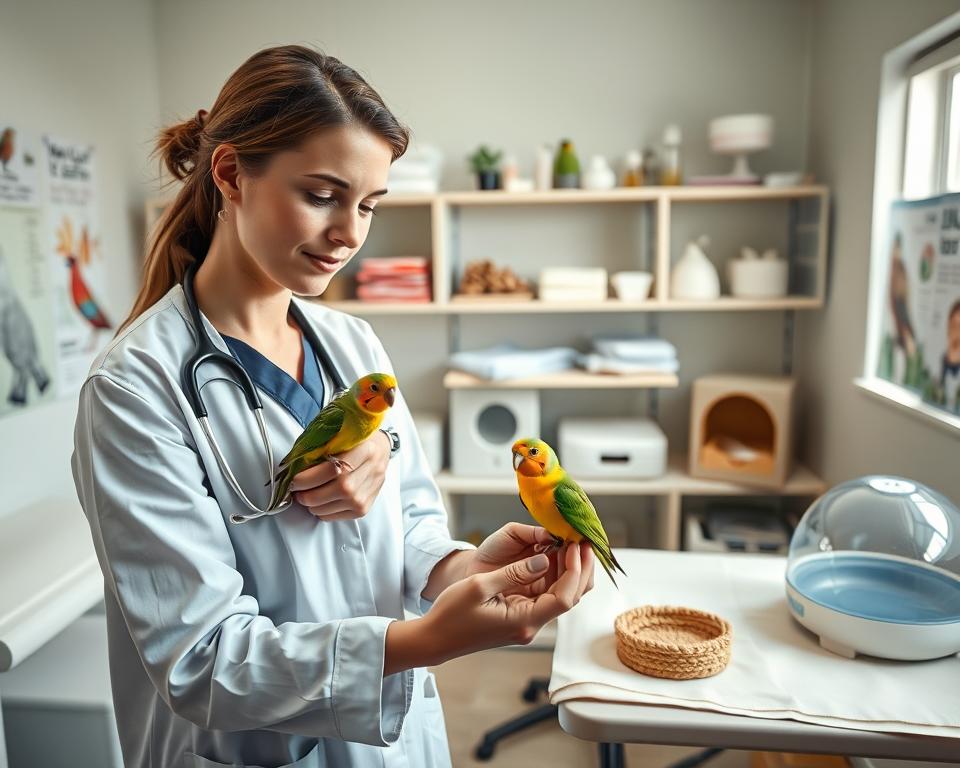
At-Home Care Techniques
Home care is important for a bird’s recovery from egg binding. A warm, humid environment can help the bird’s muscles relax. Make sure the bird has fresh water and a healthy diet. Working with a vet to create a care plan is essential.
| Treatment Option | Description | Benefits |
|---|---|---|
| Medical Interventions | Use of oxytocin injections to stimulate egg laying | Non-surgical, can be effective for mild cases |
| Surgical Procedures | Surgical removal of the egg or affected reproductive tract | Lifesaving for severe or complicated cases |
| At-Home Care | Providing a warm, humid environment and balanced diet | Supports recovery, reduces stress |
The Role of Nutrition in Recovery
Nutrition is key for birds recovering from egg binding. A balanced diet with essential nutrients helps a lot in their healing.
Essential Nutrients for Recovery
Some nutrients are very important for a bird’s recovery. These include:
- Calcium: important for muscles and egg making
- Vitamin D3: helps the body use calcium
- Protein: keeps the bird healthy and helps in recovery
It’s important to make sure your bird gets enough of these nutrients. For more info on egg binding in birds, check out https://lbah.com/avian/egg-binding-in-birds/.
Recommended Diet Adjustments
To help your bird recover, change their diet to include more nutrient-rich foods. Here’s what to do:
- Eat more fresh veggies and fruits
- Make a high-quality commercial pellet the main food
- Don’t give too many treats that are high in fat and low in nutrients
Supplements to Consider
At times, supplements are needed to help a bird recover. But, always talk to a vet before adding anything to their diet. They can suggest the best options, like:
- Calcium supplements for muscle support
- Vitamin D3 supplements to help with calcium use
By focusing on good nutrition and making smart diet changes, you can really help your bird get better from egg binding.
Rehabilitating a Bird After Egg Binding
After treating a bird for egg binding, it’s important to focus on rehabilitation. As a bird owner, your role is key to helping your bird recover fully. This ensures they can return to their normal activities.
Post-Treatment Care
Creating a comfortable and stress-free environment is vital for your bird’s recovery. This means a spacious cage with good air, a warm and stable temperature, and fresh water and food. A calm environment is key to reducing stress, which is important for recovery.
It’s also important to watch your bird’s health closely after treatment. Look for any signs of distress or complications, like changes in droppings, appetite, or behavior. If you see anything unusual, talk to your vet right away.
Monitoring Recovery
Watching your bird’s recovery closely requires patience and attention to detail. Regularly check for signs of healing and watch for any signs of complications. Your vet can guide you on what to look for and how often.
Following up with your vet as recommended is also important. These check-ups help catch any issues early, allowing for timely action.
Reintroducing to the Flock
When reintroducing your bird to the flock, do it slowly to avoid stress. Start by keeping the bird in a separate cage where they can see the flock. This lets them get used to each other again without immediate face-to-face interaction.
“Reintroduction should be done under close supervision to ensure a smooth transition and to prevent any bullying or stress among the birds.”
By following these steps and staying close to your vet, you can help your bird fully recover from egg binding. This reduces the risk of future problems with avian reproduction.
Importance of Regular Vet Check-ups
As a bird owner, knowing the value of regular vet visits is key. It helps keep your bird healthy, even if they face bird egg-laying issues. Regular vet visits are not just for fixing problems. They’re a way to keep your bird happy and healthy.
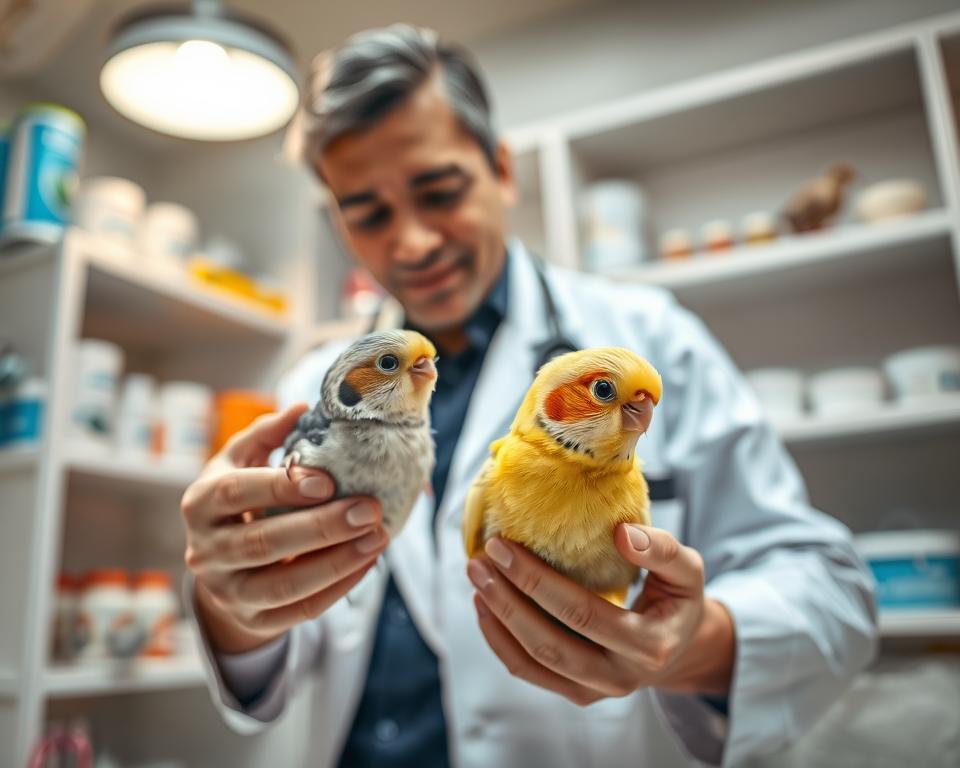
Having a good relationship with your avian vet is essential. This connection means your vet knows your bird’s health history. This knowledge is vital for the best care, even for birds with avian egg laying complications.
Building a Relationship with Your Avian Vet
Creating a strong bond with your vet is more than just visits. It’s about sharing your bird’s habits, diet, and any changes. This info helps your vet give your bird the best care, improving their life.
What to Expect During Check-ups
At a check-up, your vet will do a physical exam. They’ll check your bird’s weight, feathers, and health. They might also ask about your bird’s food, home, and actions.
For birds with egg-laying problems, the vet might do more tests. This is to watch their reproductive health closely.
Knowing what happens at these visits helps you prepare. It’s a chance to ask questions and learn how to care for your bird better.
Handling Special Cases
Birds with egg binding often need special care. This includes those with chronic conditions, older birds, and young ones. Knowing these special needs can greatly improve their care.
Birds with Chronic Egg Binding
Birds with chronic egg binding face a big challenge. They need ongoing care to prevent more problems. Avian veterinary care is key in creating a long-term plan. This might include diet changes, environmental tweaks, and medical treatments.
It’s vital to watch these birds closely and adjust their care as needed. Regular vet visits are important. A vet specializing in bird reproductive health can spot issues early.
Older Birds and Their Challenges
Older birds have extra challenges with egg binding. They may not be as strong and could have health problems. Their care must consider their health, diet, and living space.
Feeding them a balanced diet and keeping their environment calm is key. Regular health checks are also important to catch any problems early.
Young Birds: Special Considerations
Young birds, like those breeding for the first time, are more likely to get egg binding. They need help from their owners to recognize and manage this issue.
Young birds need the right food and a safe place to live. Getting advice from an experienced avian vet is very helpful.
The Importance of Education
Learning is key for bird owners to prevent and manage health issues like egg binding. Knowing the right care can greatly improve your bird’s health and happiness.
Resources for Bird Owners
Many resources are available for learning about bird health and reproduction problems. You can find online forums, veterinary clinics, and books specific to birds. Using these resources keeps you updated on the best care methods and health issues.
Recommended Resources:
- Avian veterinary clinics
- Online bird owner forums
- Bird care workshops
- Avian health books and journals
Joining Avian Communities
Being part of avian communities offers great support and knowledge. These groups share experiences, advice, and resources that help manage bird health.
Benefits of Avian Communities:
- Shared knowledge and experiences
- Support from fellow bird owners
- Access to expert advice
Training and Workshops for Bird Care
Attending training and workshops can deepen your understanding of bird care and health. These sessions cover topics like nutrition, behavior, and health issues like egg binding.
| Workshop Topic | Description | Benefit |
|---|---|---|
| Bird Nutrition | Understanding dietary needs | Improved bird health |
| Avian Behavior | Recognizing behavioral cues | Better bird handling |
| Egg Binding Care | Managing egg binding issues | Effective care techniques |
By using these educational chances, bird owners can better care for their birds. They can handle issues like egg binding more effectively.
Conclusion: Caring for Your Feathered Friend
Caring for a bird with egg binding needs a full approach. This includes understanding the issue, spotting symptoms, and giving the right treatment and care after. Knowing the risks and consequences of egg laying problems in birds helps owners prevent and treat egg binding.
Key Considerations
Treating egg binding in birds requires medical help, home care, and diet changes. As a bird owner, working with a vet is key to finding the best treatment for your bird.
Empowering Bird Owners
I urge all bird owners to keep up with the latest in bird care. Seeking vet care when needed is important. By giving their birds love, care, and attention, owners can help them live happy, healthy lives without egg binding issues.