


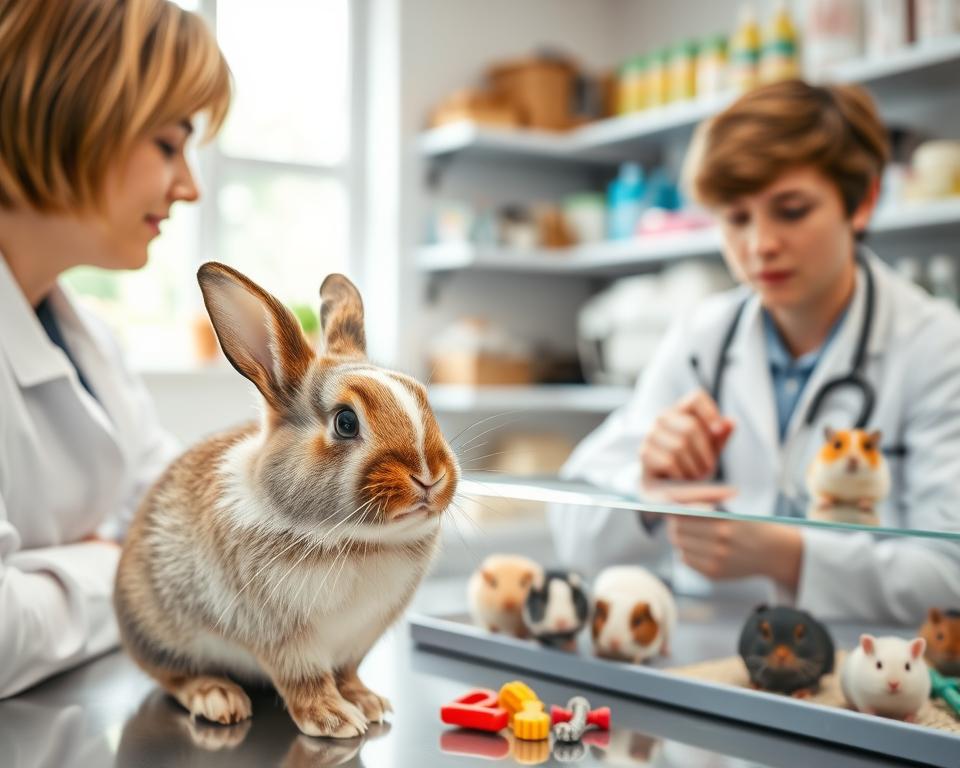
If you’re a small pet owner, you know how important your pet’s health is. Their dental health is often overlooked but very important. Many small pets have dental problems that can lead to bigger health issues if not treated.
Keeping your pet’s teeth clean is key to their health. Learning about dental care and taking steps to prevent problems can help keep your pet’s teeth healthy.
Key Takeaways
- Regular dental check-ups are vital for your pet’s health.
- A proper diet is important for dental hygiene.
- Knowing the signs of dental issues can prevent bigger problems.
- Some pets may need professional dental care.
- Preventive measures can greatly reduce dental problem risks.
Understanding the Importance of Dental Health
As a small mammal owner, knowing about dental health is key. It greatly affects your pet’s life quality. Dental health is vital for overall health, and ignoring it can cause serious problems.
Why Dental Care Matters for Small Mammals
Dental care is vital for small mammals because their teeth grow forever. Without care, this can cause overgrown teeth, leading to pain and health issues. Regular dental care keeps your pet healthy and happy.
Good rodent oral hygiene also helps spot problems early. Watch your pet’s eating and look for dental signs.
Common Dental Issues in Small Mammals
Small mammals face many dental problems, like dental abscesses and malocclusion. Guinea pigs, in particular, are at risk of guinea pig dental issues because of their teeth.
| Dental Issue | Description | Common Symptoms |
|---|---|---|
| Overgrown Teeth | Teeth that grow too long due to lack of wear. | Loss of appetite, weight loss |
| Dental Abscesses | Infections that occur around the teeth. | Swelling, pain, discharge |
| Malocclusion | Misalignment of the upper and lower teeth. | Difficulty eating, drooling |
Spotting these issues early is key for treatment. Regular vet visits and a balanced diet can help prevent these problems.
Types of Small Mammals and Their Dental Needs
It’s important to know about the dental needs of different small mammals. Each species has its own special needs for dental care.
Rabbits
Rabbits have teeth that never stop growing. They need to chew a lot to keep their teeth from getting too long. Rabbit tooth care is key to avoid health problems.

Guinea Pigs
Guinea pigs also have teeth that grow all their lives. They need a diet full of fiber to chew naturally. It’s important to check their teeth often for any issues.
Hamsters
Hamsters face the same issue with their teeth growing forever. To take care of their teeth, give them hamster dental care with chew toys and a balanced diet.
Ferrets
Ferrets have unique dental needs. They can get tartar and gum disease. Regular vet visits and the right chew toys are essential for their teeth.
| Small Mammal | Dental Needs | Care Tips |
|---|---|---|
| Rabbits | Continuously growing teeth | Provide plenty of hay and chew toys |
| Guinea Pigs | Open-rooted teeth | Diet rich in fiber, regular checks |
| Hamsters | Continuously growing teeth | Variety of chew toys, balanced diet |
| Ferrets | Prone to tartar buildup and gum disease | Regular veterinary check-ups, appropriate chew toys |
Signs of Dental Problems in Small Mammals
As a small mammal owner, it’s key to spot dental problems early. These issues can show up in many ways. So, keep an eye out for any changes in your pet’s behavior and health.
Behavioral Changes to Watch For
Behavioral signs are often the first hint of dental trouble. If your pet is in pain, they might eat less, drool, or not want to chew. They could also become more aggressive or shy because of the pain.
Another sign is a change in eating habits. For example, if your pet used to love crunchy foods but now avoids them, it could mean they’re in dental pain. Watching for these changes can help you catch dental problems early.
Physical Symptoms and Warning Signs
Look out for physical signs too. Swelling, abscesses, discharge, pus, and bad breath are all red flags. You might also see their teeth are too long, crooked, or broken.
Regularly checking your pet’s mouth and teeth is important. If you see any of these signs, see a vet right away. This can help prevent bigger problems.
Preventive Care for Your Small Mammal’s Teeth
Keeping your small mammal’s teeth healthy is vital for their well-being. Preventive care is the best way to keep their smile bright. Regular vet visits and at-home care can greatly lower dental problem risks.
Regular Check-Ups with the Veterinarian
Regular vet visits are key for your small mammal’s dental health. A vet can spot dental problems early, offer care tips, and do treatments. Aim for vet visits at least once a year, but needs can vary.
At these visits, the vet will check your pet’s teeth for issues. They’ll also give advice on diet and care. Early detection is key to preventing serious dental problems, so it’s vital to follow their advice.
- Schedule annual dental check-ups with your veterinarian.
- Follow the veterinarian’s advice on diet and dental care.
- Monitor your pet’s dental health and report any changes to the veterinarian.
At-Home Dental Care Techniques
Along with vet visits, there are home dental care methods to use. The right foods and chew toys can keep their teeth in good shape.
For example, hay and untreated wood chew toys can naturally wear down teeth. Avoid sugary or sticky foods that can harm their teeth.
- Provide plenty of hay to help wear down their teeth.
- Offer untreated wood chew toys to keep their teeth trimmed.
- Avoid giving them sugary or sticky foods.
By following these tips and working with your vet, you can help your small mammal stay healthy. They’ll enjoy good oral health and a happy life.
Proper Diet for Healthy Teeth
Diet is key for the dental health of small mammals. The right nutrients can prevent dental issues. But, a bad diet can make problems worse.
Rabbits, guinea pigs, and hamsters need a diet full of fiber and low in sugar. They eat all day and their teeth grow forever. So, they must chew on fiber-rich foods to keep their teeth in check.
Nutritional Elements for Healthy Teeth
Here are the main nutrients for dental health in small mammals:
- High-quality hay: Hay is full of fiber, helping to naturally wear down teeth.
- Crunchy vegetables: Carrots and broccoli clean teeth.
- Limiting high-sugar foods: Foods with lots of sugar can cause tooth decay.
Foods to Avoid
It’s just as important to know what not to feed your small mammal. Some foods can harm their teeth.
| Food | Reason to Avoid |
|---|---|
| Sugary treats | Can lead to tooth decay and other dental issues. |
| Sticky foods | Can get stuck in teeth, causing problems. |
| Hard seeds and nuts | Can cause teeth to crack or break. |
By choosing a balanced diet with lots of hay, crunchy veggies, and avoiding bad foods, you help your small mammal’s teeth stay healthy.
Chew Toys and Their Role in Dental Health
For small mammals, chew toys are more than just fun. They are essential for their dental health. Chew toys help keep their teeth trimmed, preventing overgrowth that can cause health problems. As a responsible pet owner, picking the right chew toys is key to keeping your small mammal’s teeth healthy.
Best Types of Chew Toys
When picking chew toys for your hamster or other small mammals, material and durability matter a lot. Wooden toys are top choices because they are safe and good for wearing down teeth. Untreated wood is best to avoid chemicals. Other good options include:
- Cardboard rolls
- Seagrass mats
- Hard plastic toys made for small mammals
Stay away from toys with small parts that can be swallowed or cause choking. Also, change the toys often to keep your pet interested and engaged.
How Often to Replace Chew Toys
Check chew toys often for wear and damage. For hamsters, replace wooden toys every few weeks or when they’re really worn out. Other materials might need to be replaced more or less often, depending on how long they last and how much your pet chews.
| Material | Average Lifespan | Replacement Frequency |
|---|---|---|
| Wood | 2-4 weeks | Every 2-4 weeks or when worn |
| Cardboard | 1-2 weeks | Every 1-2 weeks or when shredded |
| Hard Plastic | 2-3 months | Every 2-3 months or when damaged |
By giving your small mammal different chew toys and replacing them as needed, you can help keep their teeth healthy and well-cared for.

Home Remedies for Dental Health
Keeping your small mammal’s teeth healthy is key to their happiness. Regular vet visits are important, but you can also help at home. There are many ways to support your pet’s dental health.
Changing your pet’s diet and using the right chew toys are great ways to keep their teeth clean. Some foods can help prevent dental issues, while others might make them worse.
Natural Treatments You Can Use
There are natural ways to help your small mammal’s teeth. Feeding them hay and fibrous vegetables can help keep their teeth in good shape. Also, chew toys made from wood or hay can encourage healthy chewing.
You can also use dental chews or oral sprays made for small mammals. But, always talk to your vet before adding new products to your pet’s routine.
When to Consult Your Veterinarian
Home remedies are great, but they can’t replace vet care. If you see signs of dental trouble, like changes in eating, drooling, or chewing, see your vet right away.
Regular vet visits are essential for your small mammal’s dental health. They can do professional cleanings, catch problems early, and give advice on caring for your pet’s teeth.
By using home remedies and regular vet visits, you can help your small mammal have a healthy smile and a happy life.
Professional Dental Care Options
As a responsible pet owner, it’s key to know about professional dental care for your small mammal. This care is vital for your pet’s oral health. It includes different procedures and things to consider.

Dental Cleaning Procedures
Dental cleaning is a key step to remove tartar, plaque, and bacteria. These can lead to dental issues in small mammals. The Canadian Veterinarians’ position statement says regular cleaning is essential to prevent dental diseases.
The cleaning process starts with a detailed mouth exam. Then, tartar and plaque are removed with special tools. Regular cleaning can prevent dental problems like malocclusion and tooth abscesses, common in small mammals.
When is Anesthesia Necessary?
Anesthesia is often needed for dental work in small mammals to keep them safe and comfortable. The choice to use anesthesia depends on the pet’s health, the procedure’s complexity, and the vet’s opinion.
“Anesthesia allows veterinarians to perform dental procedures safely and humanely, minimizing stress and discomfort for the animal.”
In some cases, local anesthesia and sedation are used together to reduce pain. It’s important to talk to your vet about the risks and benefits of anesthesia. This helps you make the best choice for your pet’s care.
Dental Emergencies: What to Do
Dental emergencies in small mammals can be scary. But knowing how to act can really help. Whether you have a rabbit, guinea pig, or another small mammal, being ready for dental emergencies is key for their health.
Recognizing an Emergency
Spotting the signs of a dental emergency is the first step. Look for excessive drooling, loss of appetite, and visible pain or discomfort. For example, if your guinea pig has trouble eating or acts strangely, it might have dental issues.
Some specific signs to watch for include:
- Swelling or abscesses around the mouth or face
- Bleeding or discharge from the mouth
- Loose or broken teeth
- Changes in behavior or appetite
First Aid Steps to Take
If you think your small mammal has a dental emergency, act fast. Here are some first aid steps:
| Symptom | First Aid |
|---|---|
| Bleeding or discharge | Gently clean the area with a damp cloth. Watch for signs of infection. |
| Swollen face or mouth | Use a cold compress to reduce swelling. See a vet. |
| Loose or broken teeth | Keep it clean. Call a vet right away for advice. |
For rabbit tooth care, check your rabbit’s teeth often. Rabbits often face dental problems.
First aid can help for a bit, but you must see a vet quickly. Dental emergencies need a vet’s help to avoid more problems and keep your small mammal safe.
Resources for Small Mammal Owners
As a small mammal owner, it’s important to have reliable resources. This helps keep your pet healthy, including their teeth. Knowing about hamster dental care and Small mammal dental health is key.
Trusted Information Sources
For more info, check out the House Rabbit Society and the American Society for the Prevention of Cruelty to Animals (ASPCA). They have lots of tips on caring for small mammals. This includes dental health and diet advice.
Finding the Right Veterinarian
Finding a good vet is essential for your pet’s health. Look for a vet with experience in small mammals. The Association of Avian Veterinarians (AAV) is a great place to start.
You can also ask friends, family, or other pet owners for vet recommendations. This way, you’ll find a vet you can trust.