


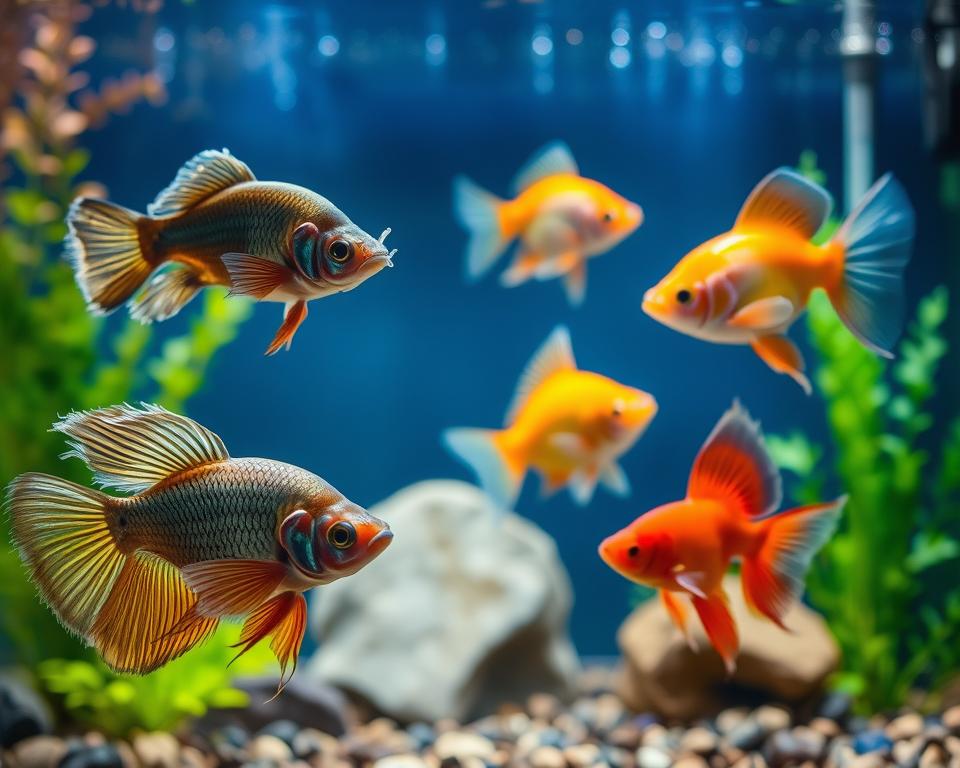
As an aquarium enthusiast, I’ve seen how fast aquatic pet health can go downhill. A single illness can spread to the whole tank, causing big problems.
Knowing the signs of common fish diseases is key to a healthy tank. In this article, I’ll show you the important signs to look for. I’ll also share the best ways to treat your fish and keep them healthy.
Key Takeaways
- Recognizing early signs of illness in aquarium fish
- Understanding common diseases affecting aquarium fish
- Effective treatment methods for maintaining a healthy aquarium
- Preventive measures to avoid the spread of disease
- Importance of maintaining optimal aquarium conditions
Understanding Fish Diseases
Fish diseases are common in aquariums. Knowing the types, causes, and symptoms is key to managing them. As an aquarium owner, it’s important to recognize common health issues in your fish. This helps keep your aquatic environment thriving.
Common Types of Fish Diseases
Fish can get various diseases, like fungal, bacterial, and parasitic infections. Fungal infections show up as growths on the fish’s body. Bacterial infections cause fin rot and ulcers. Parasitic infections lead to ich and velvet disease.
Each disease needs a specific treatment. So, it’s vital to identify the problem correctly. Watching your fish and their environment closely helps catch diseases early.
Importance of Early Detection
Spotting fish diseases early is key to treating them effectively. Regular observation of your fish can reveal signs of illness. This includes changes in behavior or appearance.
Acting fast when you notice a problem can save your fish. It also helps prevent the disease from spreading to others in the aquarium.
How Fish Diseases Spread
Diseases can spread in several ways, like through contaminated water, infected fish, or even equipment. Knowing how diseases spread helps prevent them.
- Contaminated water can carry pathogens that infect fish.
- Infected fish can spread disease to healthy ones.
- Equipment and hands can spread disease if not cleaned properly.
Being aware of these risks lets you take steps to prevent disease spread. This includes quarantining new fish and cleaning your equipment regularly.
Recognizing Fish Disease Symptoms
Spotting the signs of fish diseases is key to keeping your aquatic pets healthy. As an aquarium owner, knowing these signs can greatly improve your fish’s health and life span.
Visible Signs of Illness
Signs of illness in fish include labored breathing and lethargy. They might also lose their appetite or show spots or lesions. Regularly inspecting your fish is vital for catching problems early. Watch for any odd changes, like color changes, frayed fins, or swelling.

Behavioral Changes in Fish
Behavioral shifts can hint at illness in fish. Look for erratic or slow swimming, and if active fish start hiding more. These signs can mean they’re not feeling well.
Symptoms Specific to Freshwater vs. Saltwater Fish
Some disease symptoms are the same for both freshwater and saltwater fish. Yet, there are key differences. Freshwater fish often get certain parasitic infections, while saltwater fish face marine-specific ones. Knowing these differences helps in diagnosing fish diseases correctly.
| Disease Symptom | Freshwater Fish | Saltwater Fish |
|---|---|---|
| Parasitic Infections | Common, e.g., Ich | Marine-specific parasites |
| Bloating | Often due to bacterial infections | Can be due to parasitic or bacterial infections |
| Fin Damage | Fin rot is common | Fin rot and physical damage |
By knowing these differences and keeping a close eye on your fish’s health, you can act fast to treat any diseases. This helps keep your aquarium healthy.
Key Indicators of Health Issues
Fish health problems can be hard to spot, but there are key signs to watch for. Knowing these signs early can help treat your fish successfully.
Changes in Coloration
A change in color is often the first sign of illness in fish. This can be fading, darkening, or unusual spots. For example, a fish that’s usually bright might look dull. Regularly checking your fish can help you spot these changes early.
Abnormal Swimming Patterns
Sick or stressed fish swim differently. They might move erratically, swim oddly, or float or sink. Watching your fish closely is key to noticing these signs.
Signs of Stress in Fish
Stress in fish can come from many things, like bad water or aggressive tankmates. Signs include fast breathing, hiding, or not eating. For more on fish diseases and their causes, check this resource.
| Indicator | Description | Possible Cause |
|---|---|---|
| Color Change | Fading or darkening of color | Stress, infection, or poor water quality |
| Abnormal Swimming | Erratic or unusual swimming patterns | Neurological issues, physical injury, or infection |
| Stress Signs | Rapid breathing, hiding, loss of appetite | Poor water quality, tank conditions, or aggressive tankmates |
Examining Skin and Fins
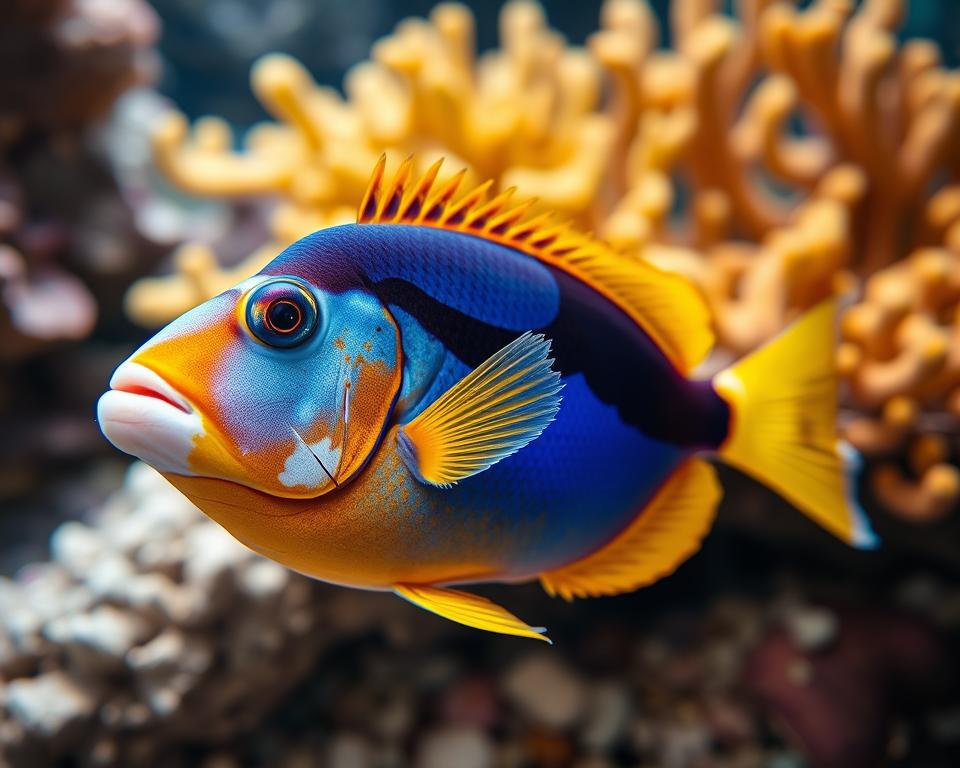
To diagnose fish diseases accurately, it’s essential to inspect the skin and fins for any abnormalities. The condition of these external features can provide critical clues about the overall health of your fish.
Lesions and Ulcers
Lesions and ulcers on the skin of your fish can be indicative of bacterial or fungal infections. These are common in aquariums with poor water quality. Regular water changes and proper filtration can help prevent these issues. If you notice any lesions or ulcers, it’s vital to identify the cause and treat it promptly to prevent the condition from worsening.
Fin Rot and Other Fin Issues
Fin rot is a common condition characterized by the deterioration of the fins, often due to bacterial infections. Other fin issues can include fraying or discoloration, which may be caused by poor water conditions or physical damage. Maintaining good water quality and avoiding overcrowding can help mitigate these problems.
Parasitic Infections
Parasitic infections can cause a range of symptoms on the skin and fins of your fish, including visible parasites, excessive mucus production, or rapid breathing. Quarantining affected fish and treating them with appropriate medications can help control parasitic infections.
By closely examining the skin and fins of your fish and addressing any issues promptly, you can help prevent common aquarium fish diseases and keep your tropical fish healthy.
Understanding Internal Symptoms
It’s key to know the internal signs of fish diseases to treat them well. These signs are as important as the ones you can see. Spotting them early helps you care for your fish better.
Bloating and Swelling
Bloating and swelling are signs of many health problems in fish. They can come from bacteria, parasites, or bad water. Knowing the cause is vital for the right treatment.
A big belly is a clear sign of bloating. Fish might also act tired and not want to eat. Seeing these signs means you need to act fast.
Constipation vs. Swim Bladder Issues
Constipation and swim bladder problems can look similar but are different. Constipation means your fish isn’t passing waste. Swim bladder issues make swimming odd or hard.
| Symptom | Constipation | Swim Bladder Issues |
|---|---|---|
| Primary Characteristic | Lack of bowel movements | Abnormal swimming patterns |
| Common Causes | Overfeeding, poor diet | Bacterial infections, physical damage |
| Treatment Approach | Dietary changes, fasting | Antibiotics, supportive care |
The Role of Gut Health
Gut health is very important for your fish’s well-being. A healthy gut helps with digestion and getting nutrients. Keeping water quality good and feeding well helps gut health.
Probiotics and prebiotics can help a fish’s gut. But, always talk to a vet before adding them to your fish’s food.
Investigating Environmental Factors
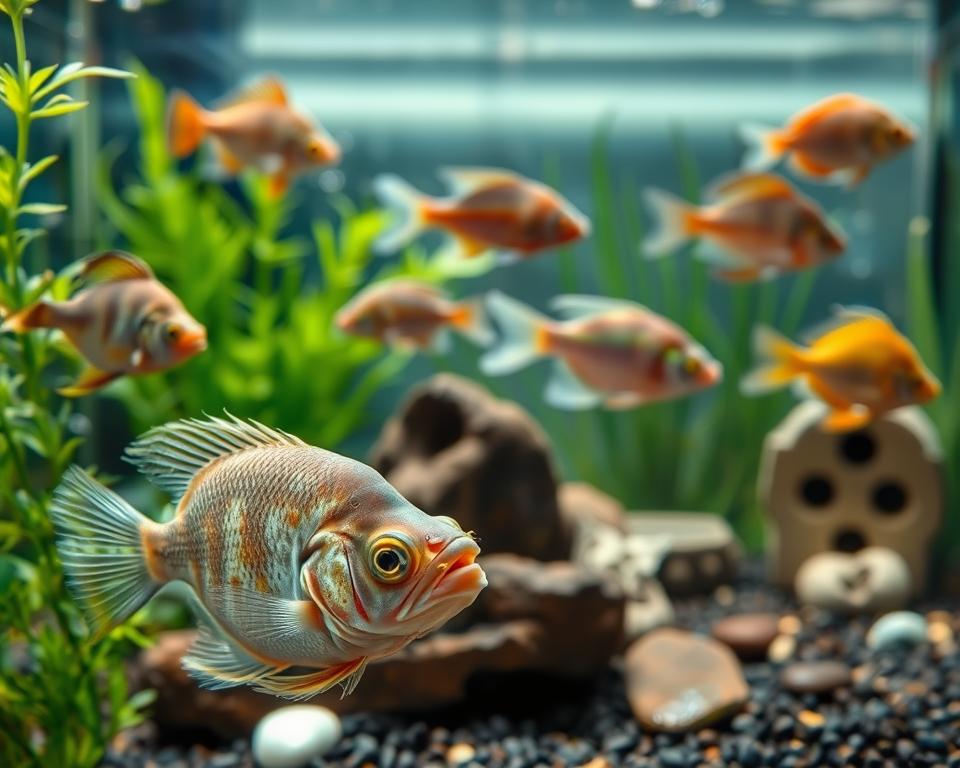
Keeping your fish healthy means understanding their environment. The quality of their home is key to their well-being.
Water Quality Indicators
Checking water quality is vital for a healthy aquarium. Important signs include:
- Ammonia levels: High ammonia can harm fish, caused by too much food or bad filtration.
- Nitrite levels: High nitrite is also harmful, showing an imbalance in the aquarium’s cycle.
- Nitrate levels: While less toxic, high nitrates can stress and harm fish.
Temperature and pH Levels
Temperature and pH levels are key for fish health. Sudden changes stress fish, while wrong levels harm them.
- Temperature: Each fish type has its best temperature range. Tropical fish like temperatures between 76°F and 82°F (24°C to 28°C).
- pH Levels: pH should be stable and right for your fish. Most freshwater fish like a slightly acidic to neutral pH (around 6.5-7.5).
Impact of Overcrowding
Overcrowding stresses and harms fish. It leads to:
- More competition for food and space.
- A bigger bioload, causing water quality problems if not managed.
- More aggression among fish.
To prevent these problems, stock your aquarium carefully. Make sure there’s enough space for your fish to live well.
Treating Common Fish Diseases
Early detection and the right treatment are key to fighting fish diseases. This can be through medication or natural remedies. Knowing what to do can greatly help keep your fish healthy.
Over-the-Counter Medications
Many fish diseases are treated with over-the-counter (OTC) medications. These can fight bacteria or parasites. It’s important to:
- Follow the instructions carefully to avoid overdosing or underdosing.
- Identify the disease correctly to choose the right medication.
- Monitor your fish’s response to the treatment and adjust as necessary.
Popular OTC medications include those containing metronidazole for treating internal parasites and kanamycin for bacterial infections.
Natural Remedies for Fish
Natural remedies offer a holistic way to treat fish diseases. Some effective treatments include:
- Using salt baths for fish suffering from parasitic infections.
- Incorporating garlic into your fish’s diet to boost their immune system.
- Improving water quality through regular changes and maintaining optimal water parameters.
It’s essential to research the specific needs of your fish and the condition you’re treating to ensure the remedy is appropriate.
When to Consult an Aquatic Veterinarian
While many diseases can be treated at home, some need a vet’s help. If your fish:
- Show severe symptoms or are not responding to treatment.
- Have a rare or exotic species that requires specialized care.
- Are experiencing a disease outbreak that you’re unable to diagnose or treat effectively.
Seeing an aquatic veterinarian can give you a precise diagnosis and a tailored treatment plan. This can greatly improve your fish’s chances of recovery.
In conclusion, treating common fish diseases effectively requires a combination of the right treatment approach, whether through OTC medications, natural remedies, or professional veterinary care. By being informed and proactive, you can help ensure the health and well-being of your aquarium fish.
Preventing Fish Diseases
“An ounce of prevention is worth a pound of cure” is true for aquariums. It’s not just about treating symptoms. It’s about making a healthy space for your fish.
Quarantine: The First Line of Defense
Quarantine is a key way to stop disease in your aquarium. Putting new fish in a quarantine tank before adding them to your main tank helps a lot. This lets you check for illness and treat it early.
Dr. Erik Johnson, a famous aquatic vet, says quarantine is essential. A clean quarantine tank is your first defense against disease.
The Importance of Regular Health Check-ups
Regular health checks are vital for catching problems early. By watching your fish closely, you can spot illness signs early. Look for changes in behavior, appetite, or looks.
- Check for visible signs of illness, such as lesions or discoloration.
- Monitor your fish’s behavior for signs of stress or lethargy.
- Observe feeding habits to ensure your fish are eating normally.
Maintaining a Stable Environment
A stable environment helps prevent stress in fish. This means good water quality, the right temperature, and not too many fish.
“The key to a healthy aquarium is stability. Fluctuations in water parameters can stress fish, making them more susceptible to disease.” –
To keep things stable, do regular water changes and watch water levels. Avoid sudden changes in your tank.
With these steps, you can lower disease risk in your aquarium. This makes a healthy home for your fish.
Recognizing Serious Conditions
It’s important to know when your fish are sick. As a fish owner, spotting serious health issues early can save your fish’s life.
Symptoms of Fish Enteritis
Fish enteritis is a serious illness that affects a fish’s stomach. Common signs include not wanting to eat, acting tired, and having weird poop. In bad cases, fish might look bloated or swim strangely.
Watching your fish closely for these signs is key. Keeping the water clean and feeding them right can help stop enteritis.
Signs of Fish Tuberculosis
Fish tuberculosis is another serious illness. Signs are losing weight, being very tired, and having bumps or spots on their skin. If it gets worse, fish might have trouble swimming or look very skinny.
| Disease | Common Symptoms | Prevention Methods |
|---|---|---|
| Fish Enteritis | Loss of appetite, lethargy, abnormal feces | Good water quality, balanced diet |
| Fish Tuberculosis | Weight loss, lethargy, skin nodules or lesions | Avoid overcrowding, regular health checks |
Recognizing Atypical Symptoms
Not all fish diseases show typical signs. Sometimes, fish act strangely or show odd physical signs. Spotting these unusual signs is important for catching and treating diseases early.
Knowing the signs of serious fish diseases and spotting unusual signs helps you act fast. Regular checks and a clean, healthy tank are the best ways to prevent these serious issues.
Case Studies: Fish with Diseases
Looking at real-life examples helps us understand how to diagnose and treat common fish diseases. These stories show us what works and what doesn’t.
Successful Treatments and Outcomes
A hobbyist once treated a parasitic infection in their freshwater tank. They caught it early and used the right medicine. The FAO guidelines on aquatic health stress the need for quick action.
- Early detection of symptoms
- Proper diagnosis
- Targeted treatment
- Regular monitoring
This approach saved the fish, showing the value of acting fast against diseases.
Learning from Common Mistakes
Not every treatment works. Mistakes like over-medication, bad water quality, and not isolating sick fish can harm fish. For example, not separating sick fish can lead to more problems.
- Too much medicine can hurt fish and upset the tank’s balance.
- Bad water quality stresses fish, making them sick easier.
- Not isolating sick fish spreads disease to others.
Stories from Aquarists and Experts
Experts and experienced aquarists share their wisdom online. A well-known aquarist talked about the hard work of treating fish tuberculosis. They stressed the need for clean water and the right medicine.
These stories teach us a lot. They show how important it is to learn from others to keep our fish healthy.
Resources for Fish Owners
As a fish owner, having the right resources is key. They help you care for your fish and spot diseases early.
Valuable Books and Guides
“The Aquarist’s Guide to Fish Diseases” is a must-read. It covers common fish illnesses. “Aquarium Care” offers tips for a healthy tank. These books will teach you about symptoms and treatments.
Online Communities and Forums
Online forums like Reddit’s r/Aquariums and Aquarium Enthuisiasts on Facebook are great. They connect you with others who share knowledge on fish health.
Expert Advice
For personal advice, talk to aquatic vets or experts from groups like the American Society for Testing and Materials (ASTM). They offer professional tips on keeping your fish healthy.