

As a pet owner, I’ve seen how important it is to keep my pet’s weight right. Did you know nearly 60% of cats and 50% of dogs in the U.S. are overweight or obese? This shows we need good ways to manage our pets’ weight.
Keeping your pet at a healthy weight is key for their health. In this guide, we’ll talk about why weight monitoring for pets is important. We’ll also look at tools to track your pet’s weight and ways to keep them healthy.
Key Takeaways
- Understand the risks associated with pet obesity
- Learn effective strategies for pet weight management
- Discover tools to help track your pet’s weight
- Explore the importance of pet health monitoring
- Implement a plan to maintain your pet’s healthy weight
Why Weight Monitoring is Essential for Pets
Tracking your pet’s weight is more than just about looks. It’s about helping them live a long, healthy life. As a pet owner, knowing why weight monitoring is key can greatly improve your pet’s health.
Obesity in pets is a big health problem. It can cause diabetes, arthritis, and heart disease. Keeping your pet at a healthy weight means they can play and interact more.
The Health Risks of Obesity in Pets
Obesity in pets is not just about looks. It’s a serious health risk. Too much weight can lead to:
- Diabetes: Pets with obesity are at a higher risk of developing diabetes, a condition that requires ongoing management.
- Arthritis: Excess weight puts additional strain on your pet’s joints, leading to arthritis and mobility issues.
- Heart Disease: Obesity is linked to an increased risk of heart disease in pets, which can lead to serious health complications.
Benefits of Maintaining a Healthy Weight
Keeping your pet at a healthy weight has many benefits. These include:
- Increased Energy: Pets at a healthy weight tend to have more energy for play and activities.
- Better Mobility: A healthy weight reduces the strain on your pet’s joints, improving mobility and reducing the risk of arthritis.
- Enhanced Quality of Life: By managing your pet’s weight, you can significantly enhance their overall quality of life.
How Weight Affects Quality of Life
Your pet’s weight greatly affects their quality of life. Too much weight can make it hard for them to do things they love. But a healthy weight can make them happier and healthier.
Understanding the risks of obesity and the benefits of a healthy weight helps you take care of your pet. Pet obesity prevention and pet weight tracking are key to their long, healthy life.
Understanding Your Pet’s Ideal Weight
Every pet is special, and knowing their ideal weight is important. It helps them stay healthy and live longer. Keeping them at a healthy weight is key for their wellbeing.
Factors Influencing Your Pet’s Weight
Many things affect your pet’s weight. Their breed, age, size, and health are important. For example, larger breeds need different weights than smaller ones. Also, their activity level and diet matter a lot.
To keep an eye on your pet’s weight, you need to know these factors. For more help, check out Waltham’s pet weight monitoring advice. It offers great tips for keeping your pet at the right weight.
Breeds and Their Weight Ranges
Each breed has its own weight range. For instance, a Labrador Retriever should weigh 55-80 pounds. A Chihuahua should be between 2-8 pounds. Knowing these ranges is essential for effective pet weight control.
By knowing the right weight for your pet’s breed, you can watch their weight closely. You can adjust their food and exercise. Regular vet visits also help check if your pet is at a healthy weight.
Tools for Effective Weight Monitoring
Keeping an eye on your pet’s weight is key to their health. The right tools can make this easier. Having the right resources helps your pet stay healthy.
Pet Scales: Choosing the Right One
A pet scale is a simple way to track your pet’s weight. Pick one that fits your pet’s size and weight. For small pets, a digital scale is best. For bigger pets, a strong scale is needed.
Some scales even track weight over time. This can be very helpful.
“A good pet scale is a big step in caring for your pet’s health,” says a vet nutritionist. “It’s easy to use and helps you keep an eye on their weight.”
Fitting Technology into Weight Monitoring
Today, technology is a big part of pet care. There are many pet weight tracking apps out there. They help track your pet’s weight and offer diet and exercise tips.
These apps also remind you of vet visits and weight checks. This makes it easier to keep up with your pet’s health.
- Track weight and body condition score
- Set reminders for regular weight checks
- Monitor food intake and exercise
Using a Food Scale for Portion Control
A food scale is also important for weight management. It helps you measure your pet’s food correctly. This prevents overfeeding and keeps your pet at a healthy weight.
Using a pet scale, a pet weight tracking app, and a food scale is a great plan. It covers all parts of your pet’s health, from weight to diet to overall well-being.
How to Create a Weight Monitoring Schedule
To keep your pet’s weight in check, a regular monitoring schedule is key. This schedule helps you manage your pet’s weight effectively. It ensures they stay healthy and happy. A well-thought-out schedule also strengthens your bond with your pet through regular interactions.
Setting Goals for Weight Management
First, set realistic weight management goals for your pet. Consult with your vet to find your pet’s ideal weight range. Work together to set specific, measurable goals. For example, aim to reduce your pet’s weight by a certain percentage in a set time frame.
It’s important to make these goals realistic and gradual. This approach ensures steady progress. Breaking down big goals into smaller steps makes weight management easier.
Regular Check-ups with the Vet
Regular vet visits are vital for a successful weight monitoring schedule. These visits help track your pet’s progress and adjust the weight management plan as needed. Your vet can offer valuable insights into your pet’s health. They can suggest dietary changes or exercise routines tailored to your pet’s needs.
During these check-ups, discuss any challenges with your pet’s weight management. Your vet can help overcome obstacles. They might suggest adjusting feeding schedules or recommending new exercise activities.
- Schedule regular weight checks with your vet.
- Monitor your pet’s food intake and adjust as necessary.
- Keep track of your pet’s exercise and activity levels.
Strategies for Healthy Weight Loss
As a pet owner, keeping your pet at a healthy weight is key. It starts with knowing the right ways to help them lose weight. A good plan includes changing their diet, getting them more active, and watching treats. These steps can help your pet lose weight in a healthy way.
A Balanced Diet for Your Pet
A balanced diet is the first step for your pet’s weight loss. Choose high-quality food that’s full of nutrients but not too many calories. Nutritional balance is important, so pick foods with lots of protein and fiber. These help your pet feel full longer. Also, look for foods made for weight management.
Here are some tips for a balanced diet:
- Measure your pet’s food to avoid giving too much
- Stay away from fillers and by-products that add extra calories
- Add veggies like carrots and green beans for fewer calories
Exercise: Keeping Your Pet Active
Regular exercise is key for burning calories and keeping muscles during weight loss. The right exercise depends on your pet’s age, breed, and health. For example, dogs might enjoy longer walks or runs, while cats like playing with toys.
Here are some exercise ideas:
- Take your dog on a 30-minute walk each day
- Play with your cat using laser pointers or feather toys
- Make playtime a part of your daily routine, like fetch or tug-of-war
The Role of Treats in a Diet
Treats can be a big problem if not controlled. It’s hard to say no to those cute faces, but it’s important to limit treats. Use baby carrots, green beans, or homemade treats made from healthy ingredients instead.
“The key to successful weight loss is a combination of a balanced diet, regular exercise, and patience. It’s a journey, not a destination.”
By sticking to these strategies and being consistent, you can help your pet reach a healthy weight. This will improve their life quality. Always talk to your vet to make a weight loss plan that fits your pet’s needs.
Tracking Progress Effectively
To make sure your pet reaches a healthy weight, tracking their progress is key. Monitoring their weight loss helps you see what works and what doesn’t. This way, you can tweak their diet and exercise plan as needed.
Keeping a Weight Journal
One good way to track your pet’s progress is with a weight journal. You record their weight, note any diet or exercise changes, and watch their health. This helps you spot patterns and make smart decisions about their care.
A weight journal can be simple, like a notebook, or detailed, like a spreadsheet. The important thing is to be consistent. Use the info to adjust your pet’s weight management plan as needed.
Benefits of a Weight Journal:
- Tracks weight changes over time
- Helps identify effective diet and exercise strategies
- Provides a record of your pet’s health progress
Using Mobile Apps for Tracking
Today, many mobile apps help pet owners track their pets’ health and weight. These apps make it easy to monitor progress with features like weight tracking, diet logging, and exercise monitoring.
Popular pet weight tracking apps let you set weight goals and get reminders to check your pet’s weight or adjust their diet. When picking a pet weight tracking app, look at the interface, features, and user reviews to find the best one for you.
| Feature | Description | Benefit |
|---|---|---|
| Weight Tracking | Regularly log your pet’s weight | Monitor progress over time |
| Diet Logging | Record your pet’s food intake | Manage calorie consumption |
| Exercise Monitoring | Track your pet’s physical activity | Ensure adequate exercise for weight management |

Using a weight journal or a mobile app for monitoring pet weight is a proactive way to care for your pet’s health. These tools help you manage their weight plan effectively. They ensure your pet stays at a healthy weight.
Common Weight Management Mistakes
Knowing the common mistakes in pet weight management is key to keeping your pet healthy. As a pet owner, being aware of these mistakes helps you manage your pet’s weight. This ensures your pet stays well.
Overfeeding: More Isn’t Always Better
One big mistake is overfeeding pets. Giving them a bit more food might seem okay, but it can cause weight gain. Portion control is essential for a healthy weight. Make sure to measure food accurately and avoid too many treats.
Let’s look at how overfeeding affects weight. Here’s a table showing how extra calories can quickly add up:
| Extra Calories per Day | Weight Gain per Month |
|---|---|
| 50 calories | 1-2 pounds |
| 100 calories | 2-4 pounds |
| 200 calories | 4-8 pounds |
Ignoring Exercise in Daily Routine
Another mistake is not making exercise a part of your pet’s daily life. Exercise burns calories and boosts health. Try to get at least 30 minutes of exercise a day for your pet.
Here are ways to add exercise to your pet’s day:
- Take your dog for a walk or run
- Play fetch or hide-and-seek with your pet
- Engage your pet in interactive toys or puzzle games
By avoiding these common mistakes, you can help your pet stay at a healthy weight. Remember, pet weight control is a long-term effort that needs patience and the right strategies.
The Role of Veterinary Professionals
Veterinary professionals are key in helping pet owners manage their pets’ weight. They provide the best care for pets. Their knowledge is vital.
“The health of our pets is linked to their weight,” a study on PMC says. This shows why vets are important in managing pet weight.
How Vets Can Help Monitor Weight
Vets give personalized advice on monitoring weight. They consider the pet’s needs, breed, and health. Regular vet visits help track progress and adjust diets and exercise.
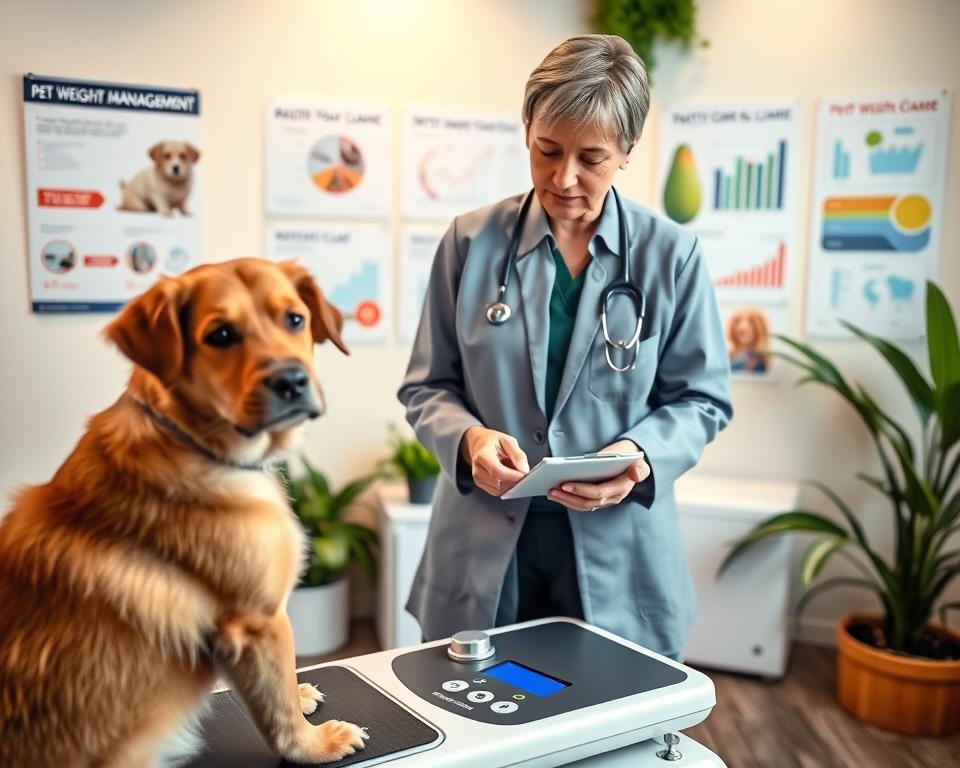
Vets use pet scales and tools to check weight and body condition. This info helps create a custom weight management plan.
Seeking Nutrition Advice from Experts
Nutrition is key in weight management, and vets know a lot about it. They suggest the best diets for pets. This is based on the pet’s specific needs.
A study says “dietary management is key in treating pet obesity.” Vets advise on portion control, the right food, and avoiding overfeeding. This helps pets stay healthy and manage their weight.
Working with a vet ensures pets get a balanced diet. This supports their health and weight goals.
Making Weight Monitoring a Family Activity
Keeping your pet at a healthy weight is key for their happiness and health. Getting everyone in the family involved in weight tracking can make a big difference. It turns tracking your pet’s weight into a team effort, helping you reach your goals together.
Involving Kids in Pet Care
Teaching kids about pet care and weight monitoring is a great lesson. Let them help with measuring food and tracking your pet’s weight. It teaches them responsibility and helps them understand your pet’s health needs. Plus, it makes tracking fun for everyone.
Fun Ways to Keep Your Pet Active Together
Exercise is vital for a healthy weight. Try fun activities like walking, running, or playing fetch with your pet. These activities boost health and strengthen your bond. Making exercise a family activity ensures your pet stays active and happy, creating memories that last.