


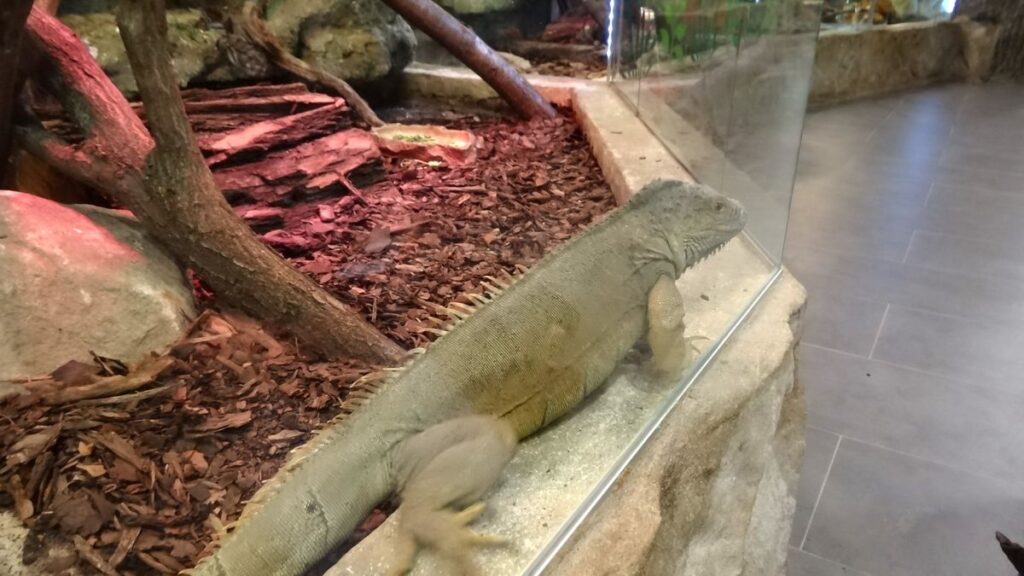
A reptile enclosure can look tidy and still be dirty. Waste soaks into substrate, water bowls grow a slimy film within days, and glass hides smudges that only show up under the basking lamp. Because reptiles live in a small, closed space, the state of that space has a direct effect on their comfort and on how easily problems such as skin irritation, mites or mouth infections can take hold.
This guide lays out a simple cleaning routine you can actually keep: what to do every day, what to do every week, and how to handle a full deep clean without stressing your animal. You will also find a list of supplies, the mistakes that cause the most trouble, and the hygiene habits that protect the people in your home.
Why a cleaning routine matters more than occasional scrubbing
Most keepers clean when the tank starts to smell. By then, bacteria and mold have usually had days to multiply in the substrate and around the water dish. A short, regular routine is easier on you and on the animal than an emergency scrub once a month.
There is also a human side. According to the CDC page on reptiles and amphibians, these animals are more likely than other pets to carry germs such as Salmonella, even when they look clean and healthy, and their food, tank water and equipment can be contaminated too. Good cleaning habits reduce that risk for everyone in the household.
A routine also helps you notice changes early. When you handle the enclosure every day, you see right away if your pet stopped eating, if droppings look different, or if there is shed skin stuck in a corner. Those observations are worth sharing with an exotic animal veterinarian.
Supplies to keep in a dedicated reptile cleaning kit
Keep everything for the enclosure in its own box or bucket, used only for this purpose. Mixing reptile tools with kitchen sponges is one of the most common ways germs spread around a house.
- Disposable gloves for spot cleaning and handling waste.
- A small scoop or slotted spoon for loose substrates such as soil mixes or sand.
- Paper towels and a few microfiber cloths reserved for the tank.
- A soft brush and an old toothbrush for textured décor, corners and the edges of water bowls.
- A spray bottle with plain warm water for daily wipe-downs.
- A reptile-safe disinfectant. Ask your veterinarian which product they recommend for your species and follow the label exactly for dilution, contact time and rinsing.
- A secure temporary container with ventilation and a hide, to hold your pet during a deep clean.
- Trash bags for used substrate and waste.
Avoid strong household cleaners with heavy fragrance, phenols or ammonia unless your veterinarian specifically approves them. Reptiles breathe close to the surfaces you clean, and residues can irritate their eyes and airways.
Daily tasks: five minutes that prevent most problems
Daily care is mostly about removing what will rot or spread. Put on gloves and go through this short list:
- Remove droppings and urates as soon as you see them, together with the substrate directly around them.
- Take out uneaten food. Leftover insects can nibble on a resting reptile, and fruit or greens spoil quickly under heat lamps.
- Empty, rinse and refill the water bowl. Wipe the inside with a cloth or brush so the slimy biofilm never gets a chance to build up.
- Look for shed skin and remove it, checking that none is stuck on your pet’s toes or tail tip.
- Check temperatures and humidity on your gauges. Cleaning time is a good moment to confirm the equipment is working.
If you use paper towels as substrate, simply replace any soiled sheet. With bioactive setups, spot cleaning is lighter, because the cleanup crew (isopods and springtails) handles small waste, but large droppings should still come out.
Weekly tasks: a deeper wipe-down without moving everything
Once a week, give the enclosure more attention while your pet stays in a hide or in its temporary container.
- Clean the glass inside and out. Use warm water first; if you need a cleaner on the inside, use the reptile-safe product and rinse well.
- Wash the food and water dishes with the disinfectant your veterinarian approved, rinse thoroughly and let them dry before putting them back.
- Scrub décor that gets dirty quickly, such as basking rocks and the area under a favorite perch.
- Stir or turn loose substrate to find hidden waste and break up compacted, damp patches where mold starts.
- Inspect equipment: lamp guards, thermostat probes, cables and the mesh lid. Dust on a lamp guard or a loose probe can change temperatures more than you expect.
- Top up or replace part of the substrate if it looks dirty, smells sour or stays wet.
How to do a full deep clean step by step
A deep clean means taking everything out, disinfecting the enclosure and its contents, and starting with fresh or properly cleaned substrate. How often you need one depends on the species, the enclosure size and the substrate type. Many keepers of non-bioactive setups do it every few weeks; bioactive enclosures are usually refreshed far less often. Your veterinarian can help you set a schedule for your species.
Before you start
- Pick a time when your pet is not about to shed and has not just eaten, so handling causes less stress.
- Prepare the temporary container in a quiet room at a suitable temperature. Keep the lid closed and the container out of direct sun.
- Turn off heat lamps and let them cool before touching them.
The cleaning sequence
- Move your pet into the temporary container calmly and keep handling short.
- Take out all décor, dishes and hides and set them aside in a bucket or tub that is not used for food.
- Remove the substrate and bag it. If you reuse a substrate type that can be cleaned, follow the manufacturer’s instructions.
- Wash the empty enclosure with warm water and a cloth to remove dirt. Disinfectants work poorly on surfaces that still have organic matter on them.
- Apply the disinfectant according to the label, respecting the contact time. Pay attention to corners, seams and the underside of ledges.
- Rinse very well with clean water and dry the enclosure completely. Leave the doors or lid open to air it out.
- Clean each item of décor the same way: scrub, disinfect, rinse and dry. Porous items like wood and cork can hold moisture, so let them dry fully.
- Rebuild the setup, turn the heat and lighting back on and wait until the temperatures and humidity are back in range before returning your pet.
Where you clean also matters. The CDC recommends cleaning reptile supplies outside the home when possible and away from gardens or drinking water. If that is not possible, use a laundry sink or bathtub instead of the kitchen, and clean and disinfect that area well before anyone else uses it. Never wash enclosure items where food is prepared.
Adjusting the routine to your setup
- Desert and arid setups: waste dries out and is easy to miss in sand or soil mixes, so sift carefully during daily checks.
- Tropical and high-humidity setups: mold grows faster. Watch corners, the area under water dishes and wooden décor, and improve ventilation if fuzzy growth keeps returning.
- Bioactive enclosures: avoid disinfectants inside the living substrate, since they harm the cleanup crew and plants. Clean glass and dishes separately and spot clean by hand.
- Turtle and aquatic setups: water quality is the main job. Filter maintenance and partial water changes replace much of the scrubbing.
Common cleaning mistakes to avoid
- Using the kitchen sink. It puts germs right where food is prepared.
- Skipping the rinse. Disinfectant residue left on décor or glass can irritate your pet.
- Returning the animal too soon. Wet substrate and cold surfaces right after a deep clean are stressful and can affect digestion.
- Using scented products, air fresheners or sprays near the tank. The enclosure air is small and enclosed.
- Ignoring a persistent smell. A bad odor that returns quickly after cleaning usually points to wet substrate, poor ventilation or a health issue worth checking with a veterinarian.
- Sharing tools between enclosures when you keep several animals. Use separate kits, especially for new arrivals in quarantine.
Hygiene habits that protect your household
Cleaning the tank is only half the job. The other half is keeping germs from leaving it. The CDC advises washing your hands with soap and running water after feeding your pet, handling its food, touching its poop or equipment, and cleaning its enclosure. It also recommends keeping reptiles and their equipment out of the kitchen and other places where food is prepared or eaten.
A few practical habits make this easy:
- Keep soap and paper towels near the room where the enclosure is, so washing up is automatic.
- Pour dirty tank water down the toilet rather than a sink, as the CDC suggests.
- Supervise children, and remember that the CDC says children under 5 should not handle reptiles, amphibians or their environments.
- Change clothes after a deep clean if you will be holding a baby or young child.
If your pet shows signs of illness, such as not eating, lethargy, swelling, discharge from the eyes or nose, or unusual droppings, cleaning alone will not solve it. Book a visit with a veterinarian who treats reptiles. Care recommendations and product guidance change over time, so confirm the details for your species with a professional.
Quick summary
- Every day: remove waste and leftover food, refresh and wipe the water bowl, check temperatures.
- Every week: clean glass and dishes, scrub dirty décor, turn substrate, inspect equipment.
- Deep clean: move your pet, strip the enclosure, wash, disinfect per the label, rinse, dry and rebuild before returning the animal.
- Always: use a dedicated kit, keep reptile items away from the kitchen and wash your hands afterwards.
A clean enclosure is not about making the tank look like a showroom. It is about giving your reptile a stable, healthy space and keeping the rest of the household safe while you enjoy your pet.
Photo: Bdg zoo terrarium 28 01-2015, by Pit1233, license CC0, via Wikimedia Commons. Cropped.