



About 54 million Americans have osteoporosis or are at risk because of low bone mass. This shows how important it is to know about metabolic bone disease. It’s a condition that affects bone health and density.
I’m excited to share my knowledge about this condition. We’ll explore its causes, symptoms, how to diagnose it, and treatment options.
Learning about metabolic bone disease helps you take care of your bone health. It’s key to avoiding problems like osteoporosis and osteomalacia.
Key Takeaways
- Understanding metabolic bone disease is key for strong bones.
- The condition impacts bone health and density, leading to issues like osteoporosis.
- Knowing the causes, symptoms, and diagnosis is essential for managing it well.
- There are treatments to help manage bone health.
- A detailed guide can help you understand metabolic bone disease better.
What is Metabolic Bone Disease?
Metabolic bone disease is a group of disorders that affect bone density and metabolism. These conditions can cause serious health problems, like osteoporosis and fractures. It’s important to understand what metabolic bone disease is and how it affects our health.
Definition and Overview
Metabolic bone diseases harm bone health by disrupting bone metabolism. This can cause osteoporosis, where bones become weak and brittle. Research shows that these diseases include various conditions related to mineral and hormonal imbalances (PMC6490580).
The bone remodeling process, which balances bone-resorbing and bone-forming cells, is disrupted in these diseases. This can happen due to nutritional deficiencies, hormonal imbalances, and genetic disorders.
Importance of Bone Health
Bone health is key for our overall well-being. It provides structural support, helps with movement, and stores minerals like calcium. Keeping bones healthy is vital, more so as we age, to avoid conditions like osteoporosis.
Poor bone health can lead to increased fracture risks and mobility problems. It’s essential to eat enough calcium and vitamin D to keep bones dense.
| Nutrient | Role in Bone Health | Food Sources |
|---|---|---|
| Calcium | Essential for bone density | Dairy products, leafy greens |
| Vitamin D | Facilitates calcium absorption | Sunlight exposure, fatty fish, fortified dairy |
| Vitamin K | Important for bone mineralization | Leafy greens, fermented foods |
Types of Metabolic Bone Diseases
It’s important to know about different metabolic bone diseases. They all affect bone health in different ways. This can lead to various complications.
Osteoporosis
Osteoporosis makes bones weak, making them more likely to break. It happens when the body doesn’t make enough new bone or when too much old bone is broken down. Risk factors include age, gender, and family history. It’s often called a “silent disease” because you might not feel any symptoms until you break a bone.
Osteomalacia
Osteomalacia makes bones soft because of a lack of vitamin D or calcium. It can be caused by not getting enough sunlight, eating poorly, or not absorbing nutrients well. Symptoms include bone pain and muscle weakness. Treatment usually involves taking vitamin D and calcium supplements.
Paget’s Disease
Paget’s Disease affects how bones are remade, leading to abnormal bone tissue. This can make bones bigger, deformed, or weaker. Treatment options include medications to regulate bone turnover.
Others
Other metabolic bone diseases include hyperparathyroidism and osteogenesis imperfecta. Hyperparathyroidism happens when the parathyroid glands work too much, causing calcium imbalances. Osteogenesis imperfecta is a genetic disorder that makes bones brittle and prone to fractures. Each condition needs a specific treatment plan.
Causes of Metabolic Bone Disease
Metabolic bone disease comes from genetics, diet, and the environment. Knowing these causes helps us prevent and treat it better.
Genetic Factors
Genetics are key in metabolic bone disease. Some genetic conditions make bones weak. For example, osteogenesis imperfecta makes bones very fragile.
Scientists have found genes linked to bone health. Knowing these can help spot who’s at risk.
Nutritional Deficiencies
Lack of calcium and vitamin D is a big problem. Calcium makes bones strong, and vitamin D helps absorb it.
Not getting enough of these can weaken bones. This raises the risk of osteoporosis and osteomalacia.
| Nutrient | Role in Bone Health | Food Sources |
|---|---|---|
| Calcium | Essential for bone strength | Dairy products, leafy greens, fortified foods |
| Vitamin D | Facilitates calcium absorption | Fatty fish, fortified dairy products, sunlight exposure |
Environmental Influences
Lifestyle and certain exposures can harm bones. Smoking and too much alcohol weaken bones.
Not enough sunlight is also a problem. It’s needed for vitamin D, which is hard to get in some places.
Symptoms and Signs
Knowing the common and severe symptoms of metabolic bone disease is key. It helps in catching the problem early and getting help. This disease affects bone health, causing symptoms that can really impact your life.
Common Symptoms
Common signs include bone pain, muscle weakness, and a higher chance of breaking bones. These issues can come from nutritional deficiencies and hormonal imbalances that harm bone density.
- Bone pain, often persistent and aching
- Muscle weakness, mainly in the arms and legs
- Increased risk of fractures, even with minor trauma
Severe Symptoms to Watch For
In serious cases, metabolic bone disease can cause more severe symptoms. These include deformities and big problems with moving around. Knowing these signs is key to getting medical help fast.
| Symptom | Description | Potential Complication |
|---|---|---|
| Bone Deformities | Visible deformities, such as bowed legs or curvature of the spine | Increased risk of fractures, mobility issues |
| Significant Mobility Issues | Difficulty walking or performing daily activities | Reduced quality of life, increased dependency |
| Frequent Fractures | Recurring fractures, even with minimal trauma | Osteoporosis, bone fragility |
Spotting these symptoms early can make a big difference. If you notice any, seeing a doctor is very important. They can help figure out what’s wrong and how to fix it.
Diagnosis of Metabolic Bone Disease
To diagnose metabolic bone disease, doctors use a detailed approach. They look at the patient’s medical history, perform a physical exam, and run diagnostic tests.
Medical History Evaluation
Understanding a patient’s medical history is key. Doctors check symptoms, past health issues, and family bone disorder history.
They also ask about diet, lifestyle, and medications. This helps spot risk factors and causes.
Physical Examination
A physical exam is vital. Doctors check for bone deformities, muscle weakness, and other symptoms.
They measure height, weight, and BMI. They also look at posture and how the patient walks.
Diagnostic Tests
Diagnostic tests are essential for confirming the diagnosis. Common tests include:
- Bone density scans (DXA scans)
- Blood tests for calcium and vitamin D
- Imaging tests like X-rays, CT scans, or MRI scans
- Bone biopsy in some cases
These tests help doctors understand bone health and find the cause of the condition.
The table below lists the diagnostic tests for metabolic bone disease:
| Diagnostic Test | Purpose | Key Findings |
|---|---|---|
| Bone Density Scan (DXA) | Measures bone mineral density | Low bone density, osteoporosis |
| Blood Tests | Assesses calcium and vitamin D levels | Deficiencies in calcium or vitamin D |
| Imaging Tests (X-rays, CT, MRI) | Evaluates bone structure and detects abnormalities | Bone deformities, fractures, or other abnormalities |
Doctors combine test results, medical history, and physical exam findings. This helps them accurately diagnose and treat metabolic bone disease.
Risk Factors
It’s important to know the risk factors for metabolic bone disease. This knowledge helps in preventing and treating it early. Several factors can increase a person’s chance of getting this condition.
Age and Gender
Age is a big risk factor. The chance of getting metabolic bone disease goes up with age. Older adults are more at risk because their bones naturally lose density as they age. Gender also matters, with postmenopausal women facing a higher risk. This is because estrogen levels drop, which is key for bone health.
Lifestyle Choices
Lifestyle choices greatly affect the risk of metabolic bone disease. A diet lacking calcium and vitamin D can harm bones. Also, not being active enough can raise the risk. Regular exercise is vital for keeping bones strong.
- A balanced diet rich in calcium and vitamin D
- Regular exercise, including weight-bearing activities
- Avoiding smoking and excessive alcohol consumption
Other Medical Conditions
Some medical conditions can also raise the risk. For example, diseases that affect how the body absorbs nutrients, like celiac disease or Crohn’s disease, can harm bones. Long-term use of certain medications, like corticosteroids, can also lead to bone problems.
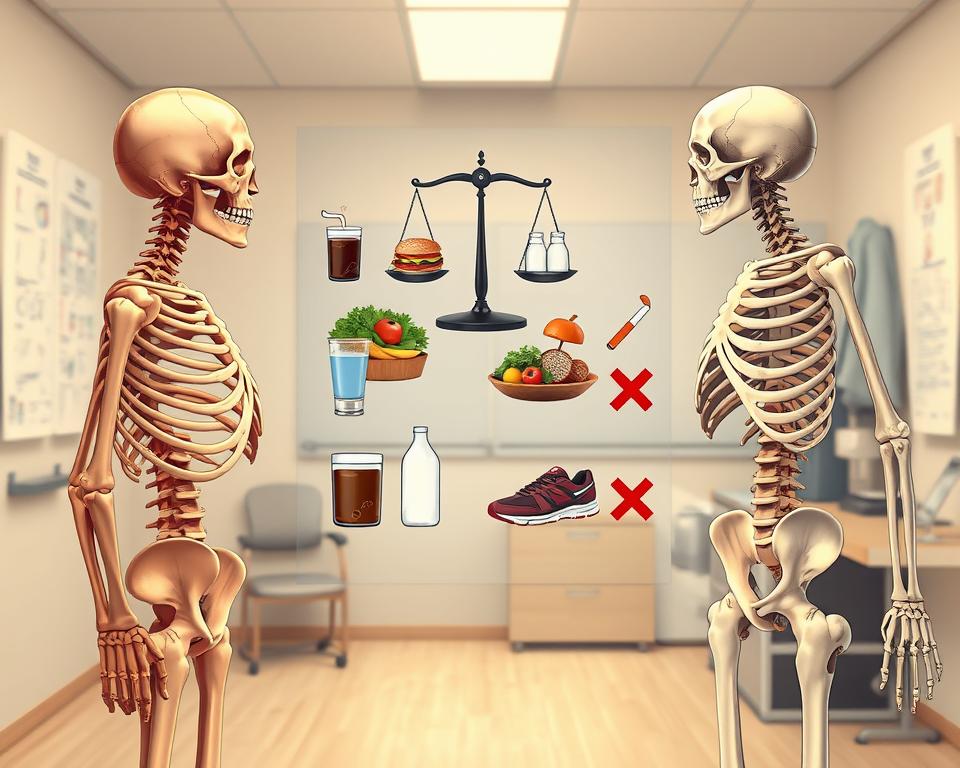
Knowing these risk factors helps people take steps to protect their bones. This way, they can lower their risk and keep their bones healthy.
Treatment Options
Treatment for metabolic bone disease varies based on the cause and how severe it is. It often involves a mix of medical treatments, lifestyle changes, and sometimes surgery.
Medications
Medicines are key in treating metabolic bone disease. They help ease symptoms, slow the disease, and sometimes boost bone strength.
- Bisphosphonates: These are used to treat osteoporosis by stopping bone loss.
- Vitamin D and Calcium Supplements: Important for keeping bones healthy, mainly when there’s a lack.
A study in the Journal of Bone and Mineral Research found bisphosphonates greatly lower fracture risk in osteoporosis patients.
“The use of bisphosphonates has revolutionized the treatment of osteoporosis, making it easier to manage and prevent fractures.”
Lifestyle Modifications
Making lifestyle changes is vital in managing metabolic bone disease. These changes can greatly improve life quality and slow disease growth.
| Lifestyle Change | Benefit |
|---|---|
| Increased Calcium Intake | Strengthens bones |
| Regular Exercise | Boosts bone density and balance |
| Smoking Cessation | Lessens bone disease risk |
Surgical Interventions
Sometimes, surgery is needed to fix problems like fractures or deformities from metabolic bone disease.
Surgeries can be simple or complex, depending on the patient’s situation.
Knowing about treatment options helps people with metabolic bone disease make better choices. They can work with their doctors to manage their condition well.
Nutrition and Bone Health
Eating a balanced diet is key for strong bones and avoiding bone diseases. The food we eat gives our bodies what they need to keep bones strong. This makes nutrition very important for bone health.
Essential Nutrients for Bone Health
Many nutrients are vital for healthy bones. Calcium is a big one, as it’s a main part of bones. Other important ones are vitamin D, magnesium, and phosphorus, all helping bones stay healthy.
Vitamin D helps our body use calcium from food. Without enough vitamin D, we can’t absorb calcium well. This weakens our bones. Foods high in vitamin D include fatty fish, fortified dairy, and cereals.
Role of Vitamin D and Calcium
Vitamin D and calcium work together for bone health. Calcium builds bones, and vitamin D helps our body use it. They keep bones strong and prevent osteoporosis.
To get enough of these nutrients, eat a diet full of calcium-rich foods like dairy, leafy greens, and fortified foods. Also, get vitamin D from sunlight, supplements, or fortified foods.
Eating a variety of foods is good for bone health. Include foods rich in calcium and vitamin D, along with fruits, vegetables, and whole grains.
Prevention Strategies
To prevent metabolic bone disease, we need a mix of healthy habits and knowledge about bone health. Knowing the risks and acting early can greatly lower the chance of getting this condition.
Healthy Lifestyle Practices
Living a healthy lifestyle is key to avoiding metabolic bone disease. Eating a balanced diet full of calcium and vitamin D is essential. Dairy, leafy greens, and fortified cereals are great sources.
Also, staying active is important. Exercise not only makes bones stronger but also boosts overall health. Walking, running, and dancing are great for bone density.

It’s also important to avoid bad habits like smoking and too much alcohol. These can harm bones and overall health.
Regular Screening Recommendations
Getting regular screenings is vital for catching metabolic bone disease early. Bone density tests, like DEXA scans, can spot bone loss before it leads to fractures.
How often you should get screened depends on your risk factors. For example, women over 65 and men over 70 should get tested regularly.
| Risk Factor | Screening Recommendation |
|---|---|
| Women over 65 | Regular DEXA scans |
| Men over 70 | Regular DEXA scans |
| Family history of osteoporosis | Early screening |
“Prevention is always better than cure. By adopting healthy lifestyle practices and undergoing regular screenings, individuals can significantly reduce their risk of metabolic bone disease.”
Combining healthy habits with regular screenings can help prevent metabolic bone disease. This way, people can keep their bones strong for life.
Living with Metabolic Bone Disease
Living with metabolic bone disease can be tough, but there are ways to handle it. People with this condition need to take a full approach to keep their bones healthy and feel good overall.
Coping Strategies
Coping with metabolic bone disease means getting medical help, making lifestyle changes, and having support. Effective coping strategies can really make life better. Eating a diet full of calcium and vitamin D is key for bone health.
As Dr. Jane Smith, a leading expert in metabolic bone diseases, says, “A balanced diet and regular exercise can help manage symptoms.” Activities like walking or yoga can also boost bone density and lower fracture risk.
Support Networks
Having a strong support network is essential for those with metabolic bone disease. These networks offer emotional support, practical help, and useful info on managing the condition. Support groups, online or in-person, can link people with others facing similar issues.
“Support networks have been a lifeline for me,” says Sarah Johnson, a patient living with osteoporosis. “They’ve helped me understand my condition better and given me the emotional strength to cope with it.”
“The power of support networks should not be underestimated. They play a vital role in helping people manage chronic conditions like metabolic bone disease.”
By using effective coping strategies and strong support networks, people can manage metabolic bone disease well. This helps them keep a high quality of life.
Research and Advances
Today, scientists are working hard to find new ways to treat and diagnose metabolic bone disease. As we learn more about bones, our methods for handling these diseases are changing too.
Current Studies and Trials
Research is underway to create better treatments for metabolic bone disease. Scientists are looking into new medicines, ways to change our lifestyle, and better tests. For example, a study on PMC shows how important it is to keep studying bone diseases.
Trials are testing new drugs that target specific parts of bone metabolism. The goal is to give patients treatments that work better and are more tailored to their needs.
Future Directions in Treatment
We can look forward to big improvements in treating metabolic bone disease as research continues. New treatments, better tests, and ways to prevent these diseases are on the horizon. Genomics and precision medicine will likely be key in managing bone health in the future.
Studies are also uncovering how genetics, environment, and lifestyle affect these diseases. This knowledge will help shape future treatments and ways to prevent these conditions.
Resources and Support
For those dealing with metabolic bone disease, finding the right help is key. Having a good network of information and community can really help. It makes dealing with bone disorders easier.
National Organizations
National groups offer lots of help and support. The National Osteoporosis Foundation and the Paget Foundation are great examples. They have educational materials, treatment info, and updates on research.
These groups help raise awareness and support those with bone disorders. They are very important.
Local Support Groups
Local groups also offer a lot of support. They meet regularly to share experiences and advice. It’s a place to find emotional support and practical tips from people who get it.