
As a devoted rabbit owner, I know how important it is to give my pet the best nutritional options. Hay is a big part of their diet. Without high-quality hay, rabbits can face health problems like digestive issues and tooth overgrowth.
Choosing the right hay can be tough with so many hay options available. In this guide, I’ll show you the different types, their benefits, and how to pick the best one for your rabbit.
Key Takeaways
- Understanding the importance of hay in a rabbit’s diet
- Exploring different types of hay and their nutritional benefits
- Learning how to select the best hay for your rabbit
- Tips for incorporating hay into your rabbit’s daily meals
- Common mistakes to avoid when choosing hay for your rabbit
Why Hay is Essential for Rabbits
Hay is key for a rabbit’s diet. It offers many benefits for their health. Hay is important for nutrition, digestive health, and dental care.
Nutritional Benefits
Hay is packed with fiber, vitamins, and minerals that rabbits need. The fiber in hay keeps them full and stops them from eating too much. Choosing the right hay is important for your rabbit’s health.
Digestive Health
Eating hay helps a rabbit’s digestive system stay healthy. It prevents constipation and diarrhea. A healthy digestive system is vital for a rabbit’s wellbeing.
Dental Care
Rabbits’ teeth grow all the time, and hay helps wear them down. Chewing hay keeps their teeth healthy and prevents problems. Giving your rabbit different types of hay helps keep their teeth in good shape.
Common Types of Rabbit Hay
The world of rabbit hay is full of choices, each with its own benefits. Knowing these types can help you give your rabbit the best diet.
Timothy Hay
Timothy hay is a top pick for many rabbit owners. It’s packed with high fiber and low protein, great for a healthy gut. It also has antioxidants to keep your rabbit healthy.
Meadow Hay
Meadow hay is a great choice, with a mix of grasses and wildflowers. It offers a diverse nutrient profile and adds fun to your rabbit’s meals. The mix of flowers and grasses makes it more palatable for rabbits.
Orchard Grass Hay
Orchard grass hay is loved for its sweet taste and soft texture. It’s also very nutritious, making it perfect for rabbits of all ages. It’s great for those who like a milder flavor.
Choosing the right hay depends on your rabbit’s likes and needs. Mixing different hays can also ensure a balanced diet.
Comparing Hay Types: Nutritional Value
Choosing the right hay for your rabbit is key. They need a diet full of fiber, some protein, and little sugar. This keeps them healthy.
Fiber Content
Fiber is vital for a rabbit’s health. It keeps their digestive system working right. Timothy hay is a top pick because it’s packed with fiber.
Protein Levels
Protein is also important for rabbits. But too much can cause problems. Orchard grass hay has just the right amount of protein for most rabbits.
Sugar Content
Rabbits can easily get too fat and sick from too much sugar. So, it’s important to pick hay low in sugar. Meadow hay is a good choice because it has less sugar.
In short, when picking hay, look at its fiber, protein, and sugar levels. This ensures your rabbit gets a great diet.
The Importance of Freshness
The quality of hay your rabbit eats is key to their health. Fresh hay is tastier and more nutritious. It encourages rabbits to eat well and stay healthy.
Choosing the right hay for your rabbit is important. Look for fresh hay to give your rabbit the best hay for rabbits. Fresh hay tastes better and gives rabbits the nutrients they need for good health.
Signs of Fresh Hay
Finding fresh hay is easy if you know what to look for. Here are some key signs:
- A sweet, earthy aroma
- A dry texture
- Absence of mold or mildew
- Vibrant color
Fresh hay smells sweet, not musty or sour. It should feel dry, not damp. Always check for mold or mildew, as they can harm your rabbit.
Storage Tips
Keeping your rabbit’s hay fresh is all about proper storage. Here are some tips:
| Storage Method | Benefits |
|---|---|
| Keep hay in a dry, cool place | Prevents mold and mildew growth |
| Store hay away from direct sunlight | Preserves nutrients and color |
| Use airtight containers or bags | Maintains freshness and keeps pests out |
Proper storage keeps hay fresh longer. This ensures your rabbit gets organic rabbit hay that’s both nutritious and tasty.
Check your stored hay often and rotate it. This keeps it fresh. Your rabbit will always have the best hay.
How Much Hay Does My Rabbit Need?
Knowing how much hay your rabbit needs is key to their health and happiness. Rabbits are herbivores and hay should be the main part of their diet.
Daily Recommendations
Experts say hay should be 80-90% of a rabbit’s daily food. This means your rabbit should always have hay to eat.
Daily Hay Intake Guidelines:
| Rabbit Size | Daily Hay Intake |
|---|---|
| Small (under 4 lbs) | 1-2 pounds |
| Medium (4-8 lbs) | 2-3 pounds |
| Large (over 8 lbs) | 3-4 pounds |
Factors that Influence Hay Intake
Several things can change how much hay your rabbit needs. These include age, size, breed, and how active they are.
Age: Young rabbits might need more hay as they grow. Older rabbits might need less because they’re less active.
Activity Level: More active rabbits need more hay to keep their digestive system healthy.
By considering these factors and always providing fresh hay, you can keep your rabbit healthy and happy.
Feeding Hay: Best Practices
To make sure your rabbit enjoys their hay, it’s key to know the best ways to feed it. Hay is more than just food; it’s a vital part of their diet. It keeps them healthy and happy.
Mixing Hay with Other Foods
Mixing hay with other foods can make your rabbit’s diet more interesting. But, adding new foods slowly is important. This helps their stomach get used to the change without getting sick.
Some of the top rabbit hay options can be mixed with veggies and a little bit of fruit. For example, you can add fresh parsley or basil to timothy hay. Just make sure hay is the main part of their diet.
| Hay Type | Mixing Options | Benefits |
|---|---|---|
| Timothy Hay | Fresh veggies, limited fruits | High fiber, supports digestive health |
| Orchard Grass Hay | Leafy greens, herbs | Rich in nutrients, palatable |
| Meadow Hay | Varied veggies, flowers | Diverse nutrient profile, enjoyable texture |
Offering Hay in Different Forms
Changing how you give hay can make mealtime more fun for your rabbit. You can give hay as it is, in pellets, or as cubes. Each way has its own benefits, and some rabbits like one more than the others.
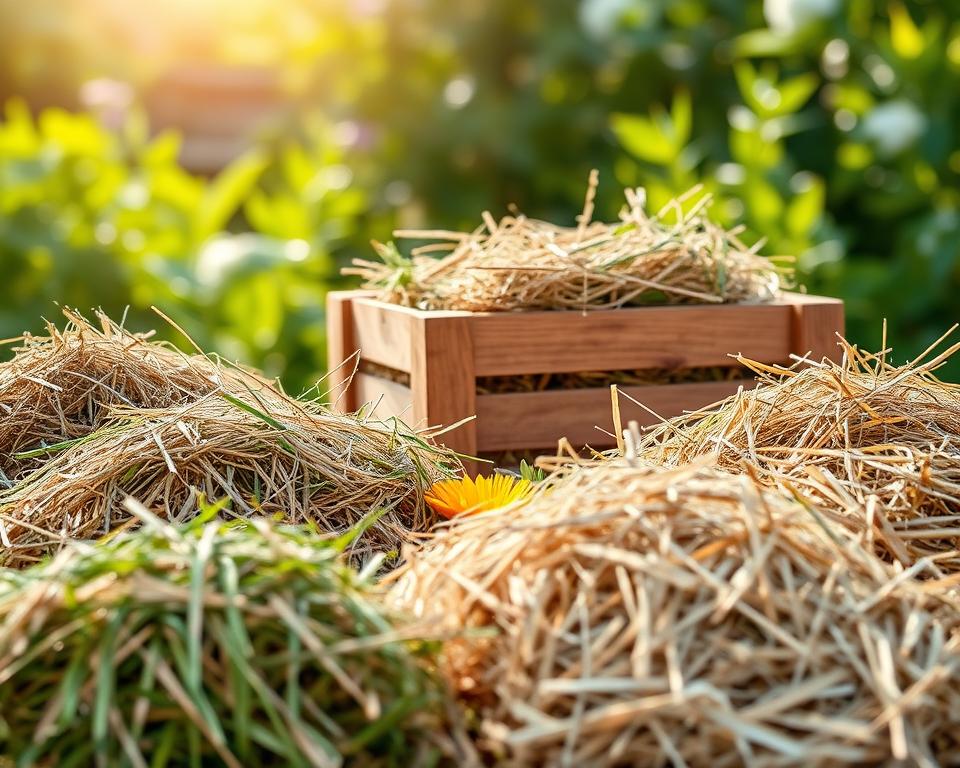
Hay pellets are easy to give and make sure your rabbit eats enough hay. Hay cubes are fun and challenge your rabbit to eat. Some rabbits like certain textures or tastes, so try different forms to see what they like best.
In short, feeding hay to your rabbit right means knowing the best ways to do it. This includes mixing hay with other foods and giving it in different ways. By following these tips, you can help your rabbit stay healthy and happy.
Rabbit Hay for Health Issues
Choosing the right hay is key for rabbits with health problems. Hay is more than just a filler; it’s essential for their health.
Hay helps with weight control and dental care. Let’s see how different hays can help with specific health issues.
Hay for Weight Management
Keeping a healthy weight is important for rabbits. Hay is high in fiber and low in calories, making it great for weight control. Timothy hay is perfect for rabbits needing to lose weight because it’s low in calories and high in fiber.
To manage weight, limit high-calorie foods and always have hay available. This helps rabbits eat more hay and less calorie-rich foods.
Hay for Dental Problems
Dental issues are common in rabbits. Hay helps prevent these problems by naturally wearing down teeth. Orchard grass hay is gentle on teeth and mouths.
Offering different hays keeps mealtime fun and promotes chewing. This is good for dental health. Always watch your rabbit’s dental health and adjust their hay as needed.
Choosing the right hay and managing its use can help your rabbit’s health issues. Always talk to a vet to find the best hay for your rabbit.
Choosing the Right Hay for Baby Rabbits
Choosing the right hay for baby rabbits is key to their health and growth. They need specific foods, and hay is a big part of that.
Special Considerations
When picking hay for baby rabbits, think about their sensitive stomachs. Hay with too much protein or sugar can harm them. Choose hay that’s easy on their stomach and full of fiber. This keeps them healthy and helps them grow well.
Baby rabbits also need hay that’s good for their teeth. Hay that’s coarse helps wear down their teeth, which grow all the time. Timothy hay is a good choice because it’s full of fiber and gentle.
Best Hay Options
There are many hays good for baby rabbits, each with its own benefits. Here’s a look at some popular ones:
| Hay Type | Fiber Content | Protein Level | Suitability for Baby Rabbits |
|---|---|---|---|
| Timothy Hay | High | Low | Excellent |
| Orchard Grass Hay | High | Moderate | Very Good |
| Alfalfa Hay | Moderate | High | Not Recommended for Daily Consumption |
From the table, Timothy hay and Orchard Grass hay are top picks for baby rabbits. They have lots of fiber and the right amount of protein. Alfalfa hay is too rich in protein for them to eat every day.
In short, picking the right hay for baby rabbits means thinking about their special needs. By choosing high-quality hay like Timothy or Orchard Grass, you help your baby rabbits stay healthy and happy.
Organic vs. Conventional Hay
As a rabbit owner, it’s key to know the difference between organic and conventional hay. This helps you make a smart choice.
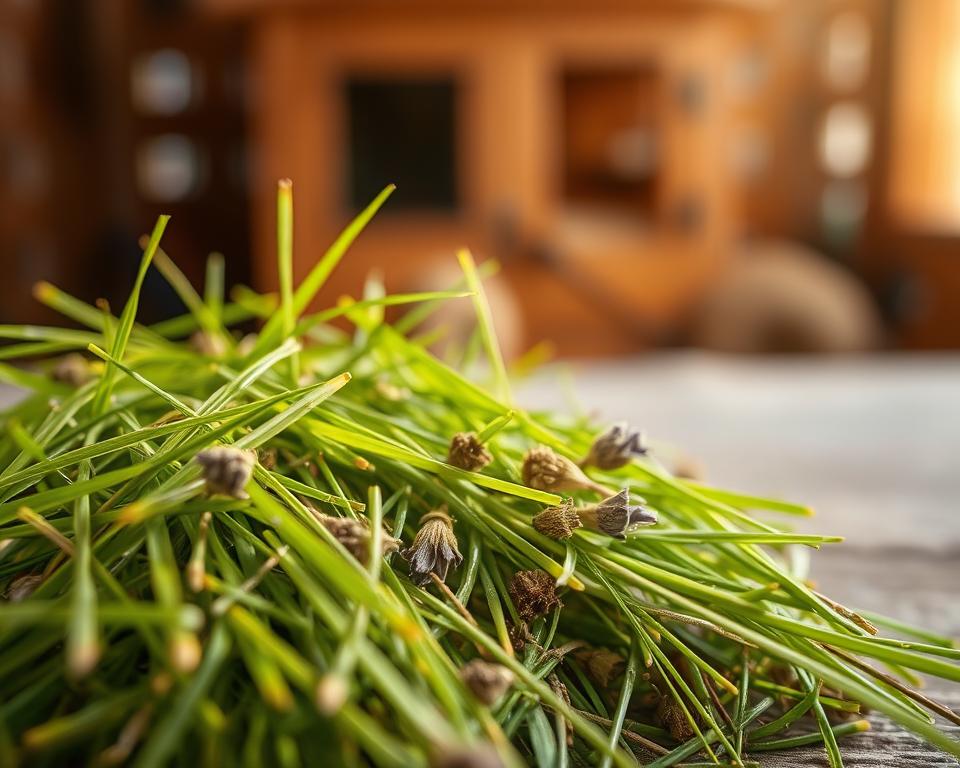
Understanding the Differences
Organic hay is made without synthetic pesticides or fertilizers. This makes it a good choice for rabbits with allergies. Conventional hay, on the other hand, might have these chemicals to grow more and fight pests.
Organic hay is more expensive because it’s harder to make. But, its nutrition can be the same as conventional hay. This depends on how it’s cut and stored.
Pros and Cons
Organic hay keeps your rabbit safe from harmful chemicals. But, it might cost more and be harder to find.
Conventional hay is cheaper and easier to get. But, it might have chemicals in it. You need to think about what’s best for your rabbit and your budget.
It doesn’t matter if you pick organic or conventional hay. What’s important is that it’s fresh, stored right, and fits your rabbit’s diet. Talking to a vet can help you choose the best hay for your rabbit.
Where to Buy the Best Rabbit Hay
Finding the perfect rabbit hay can take you to many places, both online and in stores. As a rabbit owner, you’re looking for the top rabbit hay options. These options will keep your pet healthy and happy.
You have two main choices: local stores or online retailers. The best choice for you depends on your needs and what you prefer.
Local Stores
Local pet stores and agricultural supply stores have many hay types. Buying from local stores lets you check the hay first. You can see if it’s fresh, of good quality, and free from mold or pests. As Kay Lawrence, a renowned rabbit expert, once said, “The quality of hay can significantly impact a rabbit’s overall health.”
Buying from local stores has some benefits:
- Hay is usually available right away
- You can check the hay before buying
- It supports local businesses
But, the selection might be smaller than online, and prices can change.
Online Retailers
Online retailers have a wide range of rabbit hay, often delivered right to your door. You can read reviews, compare prices, and choose from different brands and types. Some online stores focus on pet products, including high-quality hay for rabbits.
When buying online, remember to:
- Check the hay’s freshness and packaging date
- Read reviews and product descriptions well
- Think about shipping costs and delivery time
A happy customer said, “I was impressed by the quality of hay from my online order. It was fresh, and my rabbits loved it!”
By looking at both local stores and online retailers, you can choose the best hay for your rabbit. This ensures your pet gets the best possible nutrition.
DIY Hay Options: Can I Make My Own?
Many rabbit owners are now making their own hay. This lets them control the quality and nutrition of their pet’s food. It’s a rewarding experience that ensures the hay is fresh and safe for rabbits.
Before you start, it’s key to know which plants are safe and good for your rabbits. Grasses, clover, and alfalfa are top picks because they’re nutritious. Grasses, for example, are full of fiber, which is great for a rabbit’s stomach.
Types of Plants to Use
There are many plants you can use to make your own hay. Here are some good ones:
- Timothy grass: It’s full of fiber and has low protein, perfect for adult rabbits.
- Clover: It’s packed with protein and calcium, great for young or pregnant rabbits.
- Alfalfa: Like clover, it’s very nutritious and good for rabbits that need extra food.
- Orchard grass: It’s softer than timothy grass and is good for rabbits who like milder hay.
| Plant Type | Nutritional Benefits | Suitability |
|---|---|---|
| Timothy Grass | High in fiber, low in protein | Adult rabbits |
| Clover | Rich in protein and calcium | Young or pregnant rabbits |
| Alfalfa | Nutrient-dense | Rabbits requiring extra nutrition |
| Orchard Grass | Soft texture, good for sensitive rabbits | Rabbits preferring softer hay |
Safety Considerations
Making your own hay is good, but safety is key. Make sure the hay is dry to avoid mold. Also, keep it away from chemicals and pesticides.
Here’s how to stay safe:
- Dry the hay well to stop mold.
- Don’t use plants with chemicals or pesticides.
- Check your hay often for signs of spoilage.
By following these steps and picking the right plants, you can give your rabbits healthy hay. Plus, you’ll enjoy making it yourself.
Tips for Transitioning to a New Hay Type
Switching your rabbit to a new hay can be tough. But, with a slow and careful approach, it can go smoothly. It’s key to know about the different hays and what they offer.
Gradual Introduction
Begin by adding a bit of the new hay to their usual hay. Slowly increase the new hay’s amount over time. This helps avoid upset stomachs and lets your rabbit get used to the new taste and feel.
For example, if you’re switching from Alfalfa Hay to Timothy Hay, start with 75% Alfalfa and 25% Timothy. Then, increase the Timothy Hay a bit each week.
Monitoring Your Rabbit’s Response
Watch how your rabbit reacts to the new hay closely. If they have digestive problems or won’t eat, talk to a vet. For more tips on switching hays, check out the Rabbit Hole Hay website.
Choosing the right hay and introducing it slowly is good for your rabbit’s health and happiness.