


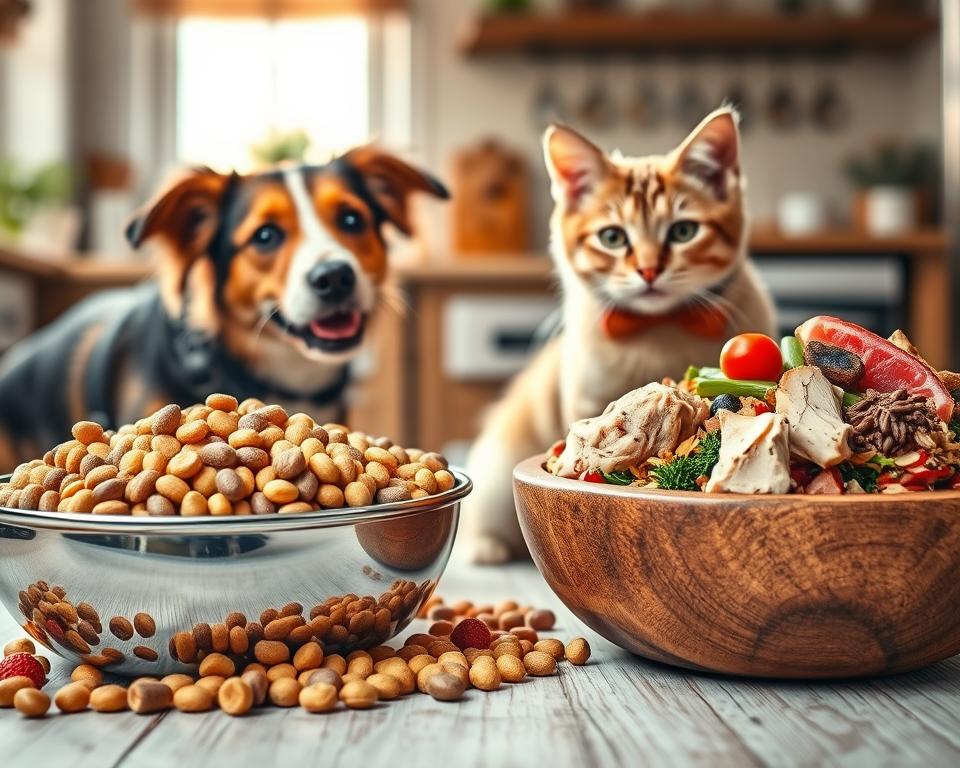
As a pet owner, you know how many choices there are for your furry friend’s food. With millions of pets in the United States, finding the right food is more important than ever.
The debate between pelleted and natural diets has been going on for a while. Each side has its own benefits. Some people like the ease of pelleted diets, while others think natural diets are healthier. I’m here to help you understand the good and bad of each, so you can choose the best for your pet.
Key Takeaways
- Understanding the differences between pelleted and natural diets is key for pet owners.
- Pet nutrition is vital for your pet’s health.
- Choosing between pelleted and natural diets depends on your pet’s needs.
- Talking to a vet can help you make a good choice.
- Both pelleted and natural diets have their own benefits and drawbacks.
Understanding Pet Nutrition Basics
A well-balanced diet is key for your pet’s health. It’s important to know what they need. Pets require specific nutrients for good health, and their needs change based on several factors.
Essential Nutrients All Pets Need
Pets need proteins, fats, carbohydrates, vitamins, and minerals. Proteins help build and repair tissues. Fats give energy and help vitamins get absorbed. Carbohydrates give energy, and vitamins and minerals support the body.
How Diet Affects Pet Health
A diet without essential nutrients can cause problems. It can lead to obesity, malnutrition, or make pets more likely to get sick. But, a balanced diet helps with growth, keeps weight in check, and strengthens the immune system.
The Importance of Age-Appropriate Nutrition
Pets have different needs at different ages. Puppies and kittens need more protein and calories for growth. Older pets need fewer calories and more support for their joints.
| Life Stage | Nutritional Needs |
|---|---|
| Puppy/Kitten | High protein, high calories |
| Adult | Balanced nutrients, moderate calories |
| Senior | Lower calories, joint support |
What Are Pelleted Diets?
Pelleted diets are a common choice for pet owners. They are made into pellets, making them easy to store and serve.
Manufacturing Process
The making of pelleted diets starts with grinding ingredients into a fine mix. Then, they are pressed into pellets under high heat and pressure. This method, called extrusion, creates uniform pellets that are convenient to use.
Common Ingredients in Commercial Pellets
Commercial pellets mix grains, proteins, and vitamins. A study found that the ingredients and their amounts greatly impact the pellets’ nutritional value and taste (Bentoli, n.d.).
| Ingredient | Function | Example |
|---|---|---|
| Grains | Carbohydrate source | Corn, Wheat |
| Proteins | Muscle and tissue repair | Chicken, Fish Meal |
| Vitamins and Minerals | Essential nutrients | Vitamin D, Calcium |
Different Types of Pelleted Foods
Pelleted foods are made for various pet needs. There are formulas for puppies, adults, and pets with health issues.
Premium vs. Economy Options
Choosing between premium and economy pellets is a common decision. Premium pellets have better ingredients and less fillers, possibly providing more nutrition. Economy options are cheaper but may have more fillers and less desirable ingredients.
What Are Natural Diets?
Pet owners are choosing natural diets for their pets. They want a diet that’s healthier and less processed. Natural diets use whole, unprocessed foods.
Raw food diets are a big part of natural diets. They include models like BARF (Biologically Appropriate Raw Food) and Prey Model. These diets try to match the natural diet of wild animals, using raw meat, bones, and organs.
Raw Food Diets (BARF and Prey Model)
Raw food diets aim to mimic the diet of wild canines and felines. They believe these diets can improve dental health, reduce allergies, and boost energy.
Home-Cooked Meals for Pets
Home-cooked meals are another natural diet option. Pet owners can customize their pets’ nutrition. But, it needs careful planning to ensure the diet is balanced.
Commercial Natural Options
For those who like the ease of commercial pet food, natural options are available. These products use whole ingredients and are processed less.
Freeze-Dried and Dehydrated Choices
Freeze-dried and dehydrated pet foods are becoming more popular. They keep nutrients and are a handy alternative to raw or home-cooked meals.
| Diet Type | Key Features | Benefits |
|---|---|---|
| Raw Food Diets | Raw meat, bones, organs | Improved dental health, reduced allergy symptoms |
| Home-Cooked Meals | Tailored nutrition, whole ingredients | Customization, improved health |
| Commercial Natural Options | Minimal processing, whole ingredients | Convenience, balanced nutrition |
Pelleted vs Natural Diets: A Comparative Look
Choosing the right diet for your pet is important. It’s key to compare pelleted and natural diets to make a good choice. This comparison will help you see the main differences and pick what’s best for your pet.
Nutritional Content Analysis
Pelleted and natural diets have different nutritional content. Pelleted diets are made to have a balanced mix of nutrients. Natural diets, on the other hand, can offer a wide range of nutrients, depending on their ingredients.
Nutritional content analysis is vital to understand the quality of both diets. While pelleted diets meet specific nutritional standards, natural diets need careful planning to ensure they meet your pet’s needs.

Processing Methods and Their Impact
The way pelleted and natural diets are processed is different. Pelleted diets are made by grinding, mixing, and forming into pellets. This can result in some nutrient loss. Natural diets, with minimal processing, help keep more natural nutrients.
Preservation Techniques and Shelf Life
Preservation methods also differ. Pelleted diets use preservatives to last longer. Natural diets might use freezing or dehydrating to stay fresh without additives.
Bioavailability of Nutrients
The bioavailability of nutrients is another important factor. Bioavailability is how well your pet’s body can use the nutrients from their diet. Natural diets, with less processing, might have better nutrient absorption than pelleted diets.
In summary, comparing pelleted and natural diets shows clear differences. These differences are in nutritional content, processing, preservation, and nutrient absorption. Knowing these differences helps you choose the best diet for your pet.
Benefits of Pelleted Diets
Pelleted diets are a hit with pet owners for their ease and nutritional value. They come with several perks that make them a favorite among many.
Convenience and Long-Term Storage
Pelleted diets are super convenient. They’re easy to keep and last a long time. This makes them perfect for those with tight schedules. As pet nutrition expert Dr. Jane Smith notes, “Pelleted diets are a great option for pet owners who want to ensure their pets are getting a balanced diet without the hassle of daily meal preparation.”
Consistent Nutritional Profile
Pelleted diets give pets a steady flow of nutrients. This is key for pets with special dietary needs.
Cost-Effectiveness and Accessibility
Pelleted diets are also budget-friendly. This makes them easy to get for many pet owners. They’re found in pet stores and online, adding to their appeal.
To wrap it up, pelleted diets are loved for their ease, steady nutrition, and affordability. These traits make them a top pick for many pet owners.
Drawbacks of Pelleted Diets
Pelleted diets are convenient but come with concerns. Issues like processing and ingredient quality are key. It’s important to know these drawbacks to choose the best for your pet.
Processing Concerns and Nutrient Loss
The making of pelleted diets uses high heat and pressure. This can cause a loss of essential nutrients. It can also damage proteins and vitamins, lowering the diet’s nutritional value.
Additives, Fillers, and Preservatives
Many pelleted diets have additives, fillers, and preservatives. These are added to improve taste, texture, and shelf life. But, they can harm your pet’s health, leading to allergies or sensitivities.
Potential Allergens and Sensitivities
Some pets may react to ingredients in pelleted diets. Common culprits are grains, dairy, and soy. It’s vital to find and avoid these allergens for pets with sensitivities.
| Ingredient | Potential Issue | Impact on Pets |
|---|---|---|
| Grains | Allergens or fillers | Skin issues, digestive problems |
| Preservatives | Chemical additives | Health risks, possible toxicity |
| By-products | Low-quality protein sources | Nutritional deficiencies, health concerns |
Benefits of Natural Diets
Natural diets are becoming more popular among pet owners. They want a holistic approach to their pets’ nutrition. These diets give pets whole, unprocessed foods that match their natural diet.
Minimal Processing and Whole Foods
Natural diets have less processing than commercial pellets. They use raw or lightly cooked ingredients. This helps keep more nutrients in the food.
A study on the National Institutes of Health website says minimal processing preserves nutrients. This makes natural diets more balanced and nutritious for pets.
Customization Options for Specific Needs
Natural diets can be tailored to a pet’s needs. This is helpful for pets with allergies, sensitivities, or health issues. Owners can change ingredients and portion sizes to meet their pet’s needs.
Potential Health Improvements and Testimonials
Many pet owners see big health improvements with natural diets. Pets may have shinier coats, more energy, better digestion, and fewer allergies. While these stories aren’t proof, they hint at the diet’s positive effects on health.
The benefits of natural diets for pets are clear. For many owners, the effort is worth it for their pets’ health.
Drawbacks of Natural Diets
Natural diets have many benefits but also some drawbacks for pet owners. They offer a natural way to feed pets but come with challenges. These challenges can affect both pets and their owners.
Time and Preparation Requirements
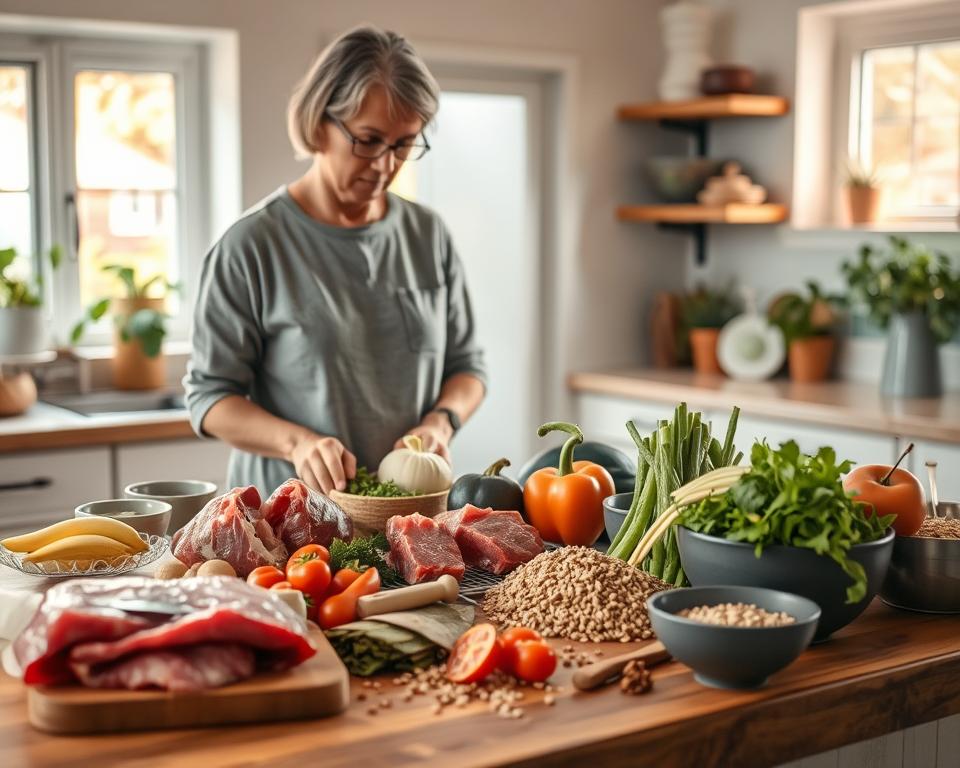
One big drawback is the time and effort needed for preparation. Unlike pelleted diets, natural diets require a lot of time for meal planning and shopping. A pet nutrition expert says, “Preparing a balanced meal for your pet can take as much time as cooking for yourself.”
Nutritional Balance Challenges
Another challenge is making sure the diet is nutritionally balanced. Pets need specific nutrients to stay healthy. Without the right planning, a diet can lack essential nutrients. It’s important to get advice from a vet or pet nutritionist to ensure the diet is balanced.
Storage, Safety, and Contamination Risks
Natural diets, like those with raw meat, can be tricky to store and keep safe. There’s a risk of contamination if not handled and stored correctly. Pet owners must be careful about storing raw ingredients at the right temperature and handling them safely. It’s key to be aware of these risks and take steps to prevent them.
In summary, natural diets can be good for pets but need careful planning and management. By understanding these challenges, pet owners can make better choices for their pets’ diets.
Species-Specific Dietary Considerations
Pets have different nutritional needs based on their species. It’s important for pet owners to know these needs. This knowledge helps keep pets healthy and happy.
Dogs: Omnivores with Carnivorous Tendencies
Dogs are mostly omnivores but need a lot of protein. They do well with a mix of animal and plant foods. “A balanced diet for dogs should include high-quality protein sources, moderate amounts of fat, and complex carbohydrates,” says Dr. Jane Smith, a renowned veterinarian.
Cats: Obligate Carnivores
Cats need to eat mostly animal products. They require nutrients like taurine and arachidonic acid found in meat. Without these, cats can get very sick.
Small Mammals: Herbivores and Special Needs
Small mammals like rabbits and guinea pigs are herbivores. They need lots of fiber from hay, grass, and veggies. Some, like guinea pigs, need vitamin C in their diet to stay healthy.
Knowing what each pet needs is essential for their health. By giving them the right food, you help them live a happy life.
How to Choose the Right Diet for Your Pet
Finding the perfect diet for your pet starts with knowing their nutritional needs. There are many options out there. It’s important to think about several factors to make a good choice.
Assessing Your Pet’s Age, Health, and Activity Level
When picking a diet, your pet’s age, health, and how active they are matter a lot. Puppies and kittens need more protein and calories than adult pets. Pets with health issues might need special diets.
- Puppies and kittens: High-protein, high-calorie diets
- Adult pets: Balanced maintenance diets
- Seniors: Easier-to-digest diets with joint support
Consulting with Veterinarians and Nutritionists
Talking to vets or pet nutritionists can give you great advice on what your pet needs. They can help you understand pet nutrition and suggest the best diet.
Key benefits of professional consultation:
- Personalized dietary recommendations
- Identification of possible health risks
- Help with changing diets
Transitioning Between Diet Types Safely
When changing your pet’s diet, do it slowly to avoid stomach problems. Start by mixing a little of the new food with their old diet. Gradually add more of the new food over 7-10 days.
Hybrid Approaches: Combining Pelleted and Natural Foods
Some people mix pelleted diets with natural foods for their pets. This means feeding pelleted food as the main part and adding natural foods as extra.
By thinking about your pet’s specific needs and getting advice from experts, you can choose the right diet. Whether it’s pelleted, natural, or a mix, the most important thing is that it’s good for your pet’s health.
Conclusion
Choosing the right diet for your pet is very important. It affects their health and happiness. We looked at the good and bad of pelleted and natural diets.
Understanding your pet’s needs is key. This includes their age, health, and how active they are. Talking to vets or pet nutritionists helps you make the best choice for them.
In conclusion, picking a diet that fits your pet’s needs is essential. This way, you help them live a long, healthy, and joyful life.