

If you own a pet, you know they can get sick. One big worry is respiratory infections. The American Veterinary Medical Association says these are big health problems for dogs and cats.
These infections can hit any dog or cat, no matter their age or breed. They can cause symptoms from mild to very serious. It’s key for pet owners to know about these risks to keep their pets well.
I’ll share important info on respiratory infections in pets. We’ll cover what causes them, their symptoms, who’s at risk, how to diagnose and treat them, and how to prevent them.
Key Takeaways
- Understanding the risks and consequences of respiratory infections in pets.
- Identifying common causes and symptoms of respiratory issues.
- Learning about risk factors that make pets more susceptible.
- Exploring diagnosis and treatment options for respiratory infections.
- Discovering prevention strategies to keep your pet safe and healthy.
Understanding Respiratory Infections in Pets
It’s important to know about pet respiratory infections to care for your pet well. These infections can come from bacteria, viruses, and fungi. Knowing their causes and types is key.
Common Causes of Respiratory Infections
Many pathogens can cause respiratory infections in dogs and cats. Bordetella is a contagious bacterium that causes kennel cough in dogs. Canine influenza is a viral infection that dogs get, leading to coughing and sneezing.
In cats, feline calicivirus is a common cause of respiratory illness. It shows symptoms like nasal discharge and oral ulcers.
| Pathogen | Affected Pets | Common Symptoms |
|---|---|---|
| Bordetella | Dogs | Coughing, Sneezing |
| Canine Influenza | Dogs | Coughing, Nasal Discharge |
| Feline Calicivirus | Cats | Oral Ulcers, Nasal Discharge |
Types of Respiratory Infections
Respiratory infections in pets can be different based on the area affected and how severe they are. Pneumonia is a serious infection that inflames the lungs’ air sacs. It can make breathing hard.
Bronchitis is the inflammation of the bronchial tubes. It can cause a persistent cough.
Knowing these types helps figure out the right treatment and care for pets with these infections.
Symptoms to Watch For
Knowing the signs of respiratory infections in pets is key to timely care. If you see unusual signs, watch them closely. Seek vet advice if needed.
Coughing and Sneezing
Coughing and sneezing are common signs of respiratory infections in pets. Pet coughing and sneezing may mean a serious issue. For example, a long cough could be kennel cough or pneumonia.
It’s important to notice how often and how bad these symptoms are. This helps decide what to do next.
Nasal Discharge
Nasal discharge is another symptom to watch. The color and type of discharge can tell you a lot. A clear discharge might be viral, while yellow or green could be bacterial.
Keep an eye on the nasal discharge and tell your vet about any changes. This helps with diagnosis.
Difficulty Breathing
Difficulty breathing is a serious symptom that needs quick action. If your pet is breathing hard, fast, or seems distressed, get vet help fast. Learn more about dog upper respiratory infection.
| Symptom | Description | Action |
|---|---|---|
| Coughing/Sneezing | Frequent or persistent coughing and sneezing | Monitor frequency and severity; consult a vet if persistent |
| Nasal Discharge | Discharge from the nose, varying in color and consistency | Observe and report changes to your vet for diagnosis |
| Difficulty Breathing | Labored, rapid, or distressed breathing | Seek immediate veterinary care |
Risk Factors for Pets
Pets face different risks for respiratory infections based on their breed and age. Knowing these risks helps you protect your pet.
Breed-Specific Vulnerabilities
Some breeds are more likely to have breathing problems. For example, brachycephalic breeds like Pugs and Bulldogs struggle more. This is because their short nasal passages make breathing hard.
| Breed | Risk Factor | Common Issue |
|---|---|---|
| Pugs | Brachycephalic | Breathing difficulties |
| Bulldogs | Brachycephalic | Respiratory infections |
| Greyhounds | Athletic build | Exercise-induced respiratory issues |
Age and Immune Status
A pet’s age and immune health are key factors in their risk for respiratory infections. Puppies and older dogs are more at risk because their immune systems are weaker.
Here’s how age and immune status affect the risk:
- Puppies: Weaker immune system, higher risk
- Older dogs: Weaker immune system, higher risk
- Adult dogs with compromised immune systems: Higher risk
Diagnosis of Respiratory Infections
Diagnosing respiratory infections in pets is a detailed process. It includes a vet check and different tests. Knowing these steps helps you support your pet’s health.
Veterinary Examination
A vet’s first step is a thorough check-up. They look for signs like hard breathing or wheezing. They also check for nasal discharge, coughing, and sneezing.
A detailed physical exam is key. It helps find how serious the infection is and if there are other health issues.
Diagnostic Testing Options
Vets use several tests to confirm the diagnosis. These include:
- Radiographs (X-rays) to check the lungs and airways
- Complete Blood Count (CBC) to see the pet’s health and detect infections
- Endoscopy to look at the airways and take samples
| Diagnostic Test | Purpose | Benefits |
|---|---|---|
| Radiographs (X-rays) | Evaluate lungs and airways | Helps identify abnormalities, such as pneumonia or foreign bodies |
| Complete Blood Count (CBC) | Assess overall health and detect infection | Provides valuable information on the pet’s immune response |
| Endoscopy | Visually examine airways and collect samples | Allows for direct visualization of the airways and collection of samples for further analysis |
By combining the vet’s exam and test results, vets can accurately diagnose pets. They then create a treatment plan. Next, we’ll look at the treatment options for pets with respiratory infections.
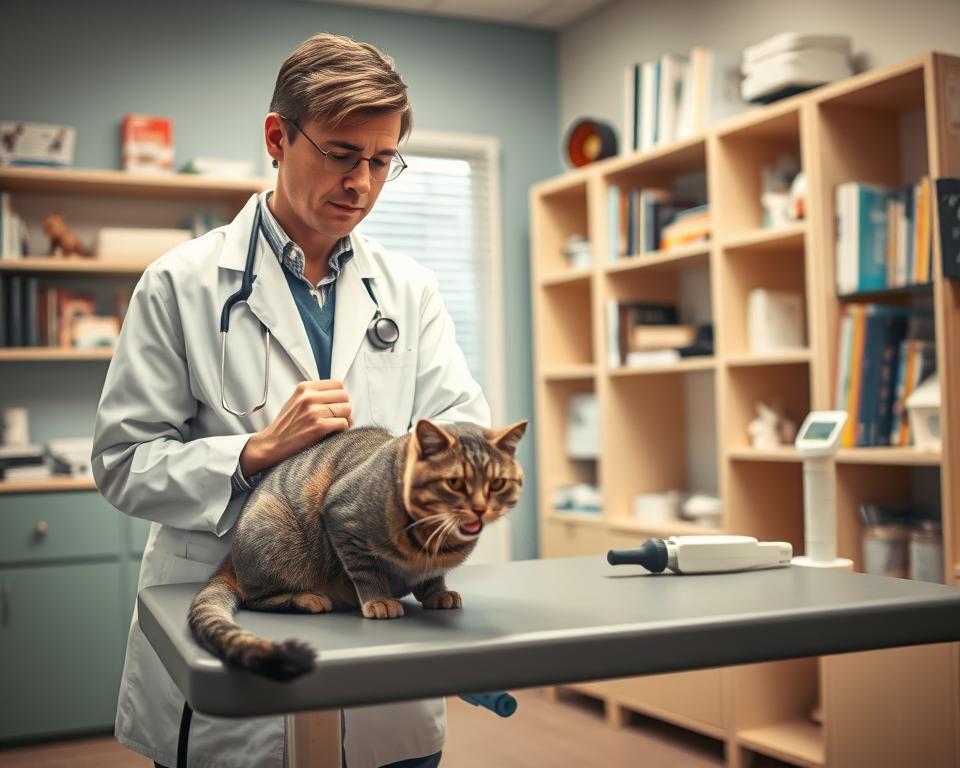
Treatment Options for Affected Pets
Treating respiratory infections in pets involves many steps. This includes different medicines, therapies, and home care tips. The right treatment depends on the cause and how bad the infection is.
Medications and Therapies
Medicines are key in treating pets with respiratory infections. Antibiotics fight bacterial infections, and antivirals tackle viral ones. Sometimes, anti-inflammatory medications help reduce swelling and ease symptoms.
The type of medicine and therapy needed depends on the diagnosis and the pet’s health. For example, pets with serious breathing problems might need oxygen therapy to make breathing easier.
| Medication/Therapy | Use | Benefits |
|---|---|---|
| Antibiotics | Treat bacterial infections | Effective against bacterial causes, reducing severity and duration |
| Antivirals | Treat viral infections | Can reduce the severity and duration of viral infections |
| Anti-inflammatory medications | Reduce inflammation | Alleviates symptoms, improves comfort |
| Oxygen therapy | Supports breathing | Essential for pets with severe respiratory distress |
Home Care Support
Supportive care at home is also important for your pet’s recovery. Make sure they get plenty of rest and stay hydrated. A balanced diet is also key for their recovery.
Creating a cozy and calm environment helps your pet feel better. Provide a warm, quiet spot for them to rest. Also, avoid exposing them to things that could make their symptoms worse.
To prevent pet respiratory infections, keep things clean. Regularly wash your pet’s food and water bowls. Also, make sure their living area is clean and free from harmful germs.
Preventative Measures
Keeping your pet healthy starts with preventing respiratory infections. As a responsible pet owner, you can take steps to lower the risk. This includes several actions to protect your pet.
Vaccination Importance
Vaccinations are key in fighting off respiratory infections. Keeping your pet’s vaccinations current can greatly reduce the risk of serious infections. “Vaccines are a critical component of preventative care for pets,” says a leading veterinary expert. Vaccinating your pet not only keeps them safe but also helps the whole pet community stay healthy.
Environmental Management Tips
Keeping your pet’s environment clean is also vital. Here are some tips to help manage your pet’s space:
- Keep your home clean and dust-free to reduce pathogens.
- Avoid exposing your pet to smoke or strong fumes, which can irritate their respiratory system.
- Provide a stress-free environment, as stress can weaken your pet’s immune system.
- Ensure good ventilation in your home to prevent the buildup of airborne pathogens.

By following these tips and keeping vaccinations current, you can lower the risk of respiratory infections. As the saying goes,
“Prevention is better than cure.”
This is very true when it comes to protecting your pet’s health.
Common Myths About Pet Respiratory Infections
Many pet owners have misconceptions about respiratory infections in pets. It’s important to know the truth. This can help avoid confusion and ensure pets get the right treatment.
Debunking Misconceptions
One myth is that all pet respiratory infections are caused by viruses. But, bacteria and other pathogens can also cause them. It’s key to know that respiratory infections can have various causes. A vet’s diagnosis is needed to find the real cause.
Another myth is that all pets with respiratory infections show the same symptoms. But, symptoms can differ a lot. For example, cats with upper respiratory infections may exhibit sneezing and nasal discharge. Dogs with pneumonia might have trouble breathing.
Reliable Sources of Information
So, where can pet owners find reliable info on respiratory infections? Start with a vet for personalized advice and diagnosis. Also, check out reputable pet health websites and veterinary associations for more info.
| Reliable Source | Description |
|---|---|
| Veterinary Clinics | Personalized advice and diagnosis from veterinarians |
| American Veterinary Medical Association (AVMA) | Credible information on pet health and diseases |
| American Animal Hospital Association (AAHA) | Guidelines and resources for pet care and health issues |
By using credible sources and talking to vets, pet owners can make better health choices. This helps avoid myths about respiratory infections.
Impact on Pet Behavior
Respiratory infections can deeply affect a pet’s behavior. They can change how pets act and interact every day. When a pet has a respiratory infection, it’s not just their body that’s affected. Their behavior and mood can change a lot.
Changes in Activity Levels
One big change in pets with respiratory infections is how active they are. Pets that usually love to play and move around may start to feel tired and stay hidden. A vet explains,
“Pets with respiratory infections often show a decrease in activity due to the discomfort and difficulty breathing associated with the condition.”
This change worries pet owners who are used to seeing their pets full of energy.
Watching how active your pet is is very important. If you notice a big change or see your pet in pain, talk to your vet right away.
Social Behavior Alterations
Respiratory infections can also change how pets act around others. Some pets may want to be closer to their owners, while others may want to be alone. It’s important to be patient and understanding when this happens. Pets may feel sick and uncomfortable.
As a pet owner, it’s key to notice these changes. If your pet is usually friendly but now wants to be alone, they might need extra care. Getting them the right treatment and support can help them get better faster and avoid serious problems.
Long-Term Effects of Respiratory Infections
Respiratory infections can harm a pet’s health for a long time. They might lead to chronic conditions that need constant care. As a pet owner, knowing these effects is key to giving your pet the best care.
Potential for Chronic Conditions
Pets with respiratory infections, like feline respiratory diseases or canine respiratory issues, might face chronic problems. These can include chronic bronchitis, asthma, or persistent coughing.
- Chronic bronchitis can damage airways, making breathing hard for pets.
- Asthma causes recurring wheezing, coughing, and breathing trouble.
- Persistent coughing might signal an underlying condition that needs care.
Importance of Follow-Up Care
Follow-up care is vital for pets with respiratory infections. Regular vet visits can spot long-term effects early. This allows for quick action.
Ongoing monitoring includes:
- Regular vet check-ups to watch the pet’s health.
- Changing treatment plans as needed to manage symptoms.
- Making lifestyle changes to avoid complications.
By being watchful and working with your vet, you can lessen the long-term effects of respiratory infections. This ensures your pet stays healthy and happy.
When to Seek Veterinary Care
As a pet owner, knowing when your pet needs a vet is key. Respiratory infections can get worse fast. Quick action is important to avoid serious problems and help your pet get better.
Identifying Emergencies
If your pet has trouble breathing, breathes too fast, or seems very tired, get help right away. These signs mean they might have a serious infection. They need treatment for pet respiratory infections fast.
Other emergency signs include:
- Blue-tinged gums or lips
- Coughing up blood or yellow mucus
- Refusal to eat or drink
- High fever
Scheduling Routine Check-Ups
Regular vet visits are important to prevent pet respiratory infections and catch problems early. Your vet can help keep your pet healthy and suggest the right shots.
| Check-Up Frequency | Pet’s Age | Health Status |
|---|---|---|
| Annual | Adult | Healthy |
| Bi-annual | Senior | Chronic conditions |
| As advised by vet | Puppy/Kitten | High-risk |
By knowing your vet well and keeping up with check-ups, you can give your pet the best care. Watching for emergency signs and regular vet visits are part of being a good pet owner.
Conclusion: Keeping Your Pet Healthy
Understanding respiratory infections in pets is key to their health. Knowing the causes, symptoms, and prevention helps protect your pet. This way, you can keep them safe from respiratory illnesses.
Staying informed is important for your pet’s health. Keep up with the latest on respiratory infections in pets. Also, learn to spot illness signs early.
Staying Ahead of Pet Respiratory Illnesses
Regular vet visits and a clean environment are vital. These steps help prevent respiratory infections. By being proactive, you lower the risk of your pet getting sick.
Fostering a Strong Vet-Pet Owner Relationship
A strong bond with your vet is essential. This partnership offers personalized advice and care. It ensures your pet gets the best treatment if they get a respiratory infection.
With knowledge, preventive care, and a strong vet-pet relationship, your pet can live a long, healthy life. They’ll avoid the problems caused by respiratory infections.