

As a reptile owner, you might find your pet’s shedding tough. Did you know that nearly 30% of reptiles face shedding issues? It can worry both you and your pet.
Shedding is normal for reptiles, but problems can arise. Knowing why is key to caring for your pet. I’ll share my knowledge to help you tackle shedding issues.
Key Takeaways
- Understand the causes of shedding issues in reptiles.
- Learn how to identify signs of shedding problems.
- Discover effective solutions to overcome shedding issues.
- Improve your reptile’s health and well-being.
- Gain confidence in caring for your scaly friend.
Understanding Reptile Shedding
Shedding, or ecdysis, is a key part of a reptile’s life. It lets them replace old skin with new. This is important for their growth and health.
As reptiles grow, their skin doesn’t grow with them. They shed their skin to fit their new size.
What Is Shedding in Reptiles?
Shedding in reptiles means they lose their outer skin layer. This can happen all at once or in pieces, depending on the reptile. For example, snakes shed in one piece, while lizards shed in patches.
This process is more than just skin replacement. It shows how healthy the reptile is.
Reptile shedding difficulties can happen for many reasons. These include not enough humidity, bad nutrition, or health problems. Spotting these signs is key for reptile owners to care for them right.
Importance of Shedding for Health
Shedding is vital for reptile health. It helps them get rid of parasites and damaged skin. This keeps their skin healthy.
Also, shedding well shows a reptile is healthy overall. It shows they’re getting the right food and living in good conditions.
Knowing about shedding helps reptile owners spot health problems early. For example, if a reptile has trouble shedding, it might mean they need better humidity or temperature in their home.
Common Shedding Issues
Reptile owners often face the worry of their pets not shedding properly. This can signal deeper health issues. Reptiles shed their skin as they grow, but this process can be challenging.
Signs of Shedding Problems
Spotting shedding problems early is key to your reptile’s health. Look out for these signs:
- Retained shed on specific body parts, such as toes or the tail
- Difficulty shedding around the eyes or mouth
- Visible skin tears or lesions
- Lethargy or loss of appetite
If you see any of these signs, it’s time to act to help your reptile.
Factors Leading to Shedding Difficulties
Several things can make shedding hard for reptiles, including:
- Inadequate Humidity: Low humidity can dry out the skin, making shedding tough.
- Poor Nutrition: A bad diet can harm skin health, leading to shedding issues.
- Incorrect Temperature: Wrong temperatures can mess with the shedding process.
- Health Issues: Problems like metabolic bone disease or parasites can also cause shedding troubles.
Knowing these factors can help you prevent shedding problems and keep your reptile healthy.
The Shedding Process Explained
Understanding the shedding process is key to your reptile’s health. Shedding, or ecdysis, is when reptiles grow and replace their skin. Knowing when and how often they shed helps spot any problems early.
How Often Should Reptiles Shed?
Shedding times vary by reptile type and age. Young ones shed more because they grow fast. Environmental factors also play a role.
Reptiles shed from once a week to every few months. Snakes and lizards shed more than turtles.

Typical Shedding Timeline for Different Species
Each reptile species sheds differently. Knowing these patterns helps you prepare for your pet’s needs.
| Species | Shedding Frequency | Typical Shedding Duration |
|---|---|---|
| Snakes | Every 1-2 weeks | 7-10 days |
| Lizards | Every 2-4 weeks | 10-14 days |
| Turtles | Every 2-3 months | Several weeks |
Knowing your reptile’s shedding schedule helps you spot any issues. Good habitat and care ease the shedding process.
Identifying Health Issues
As a reptile owner, it’s key to know how shedding relates to health. Shedding problems might show health issues that need quick action.
Symptoms of Illness Linked to Shedding
Keep a close eye on your reptile’s shedding. Some signs can mean they’re sick, like:
- Difficulty shedding skin
- Presence of blood or discharge around the shedding area
- Changes in appetite or behavior
- Visible signs of infection or inflammation
These signs might mean your reptile has a health problem that needs a vet.
“Monitoring your reptile’s shedding process is a critical aspect of their overall health care. Any abnormalities should be taken seriously.”
When to Consult a Veterinarian
If you see odd symptoms or shedding issues, see a vet. They can check your reptile and find any health problems.
| Symptom | Possible Cause | Action |
|---|---|---|
| Difficulty shedding | Low humidity, dehydration | Increase humidity, ensure proper hydration |
| Infection signs | Bacterial or fungal infection | Consult a veterinarian for antibiotics or antifungal treatment |
| Behavioral changes | Stress, illness | Consult a veterinarian to identify the cause |
Acting fast can help your reptile get better. If you’re not sure about your reptile’s health, get professional help.
Optimal Habitat Conditions
Reptiles need a carefully controlled environment to shed their skin without complications. Keeping the habitat just right is key for healthy shedding. It affects their skin health and overall well-being.
Importance of Humidity in the Shedding Process
Humidity is very important for reptiles to shed their skin. The right humidity softens the old skin, making it easier to shed. Too little humidity can cause dehydration and make shedding hard.
For many reptiles, a humidity level between 30% to 60% is best. But, this can change based on the species.
Tropical reptiles like some snakes and lizards need humidity over 60% to feel at home. Desert reptiles, like bearded dragons, prefer it drier, with humidity around 30-40%. It’s key to know the humidity needs of your reptile species to help them shed well.
Ideal Temperature Ranges for Different Reptiles
Temperature is also very important for shedding. Reptiles use outside sources to control their body temperature. The best temperature varies a lot between species.
Having a temperature range in their habitat helps reptiles control their body heat.
| Reptile Type | Ideal Temperature Range (°F) | Basking Spot Temperature (°F) |
|---|---|---|
| Desert Tortoises | 75-90 | 95-100 |
| Corn Snakes | 75-85 | 85-90 |
| Bearded Dragons | 80-90 | 95-105 |
Knowing and setting up the right habitat conditions helps a lot. The right humidity and temperature reduce shedding problems. This promotes healthy shedding in reptiles.
Nutritional Factors
Nutrition is key for reptiles to shed properly, affecting their health. A diet without needed nutrients can cause shedding problems. This is a common issue for reptile owners.

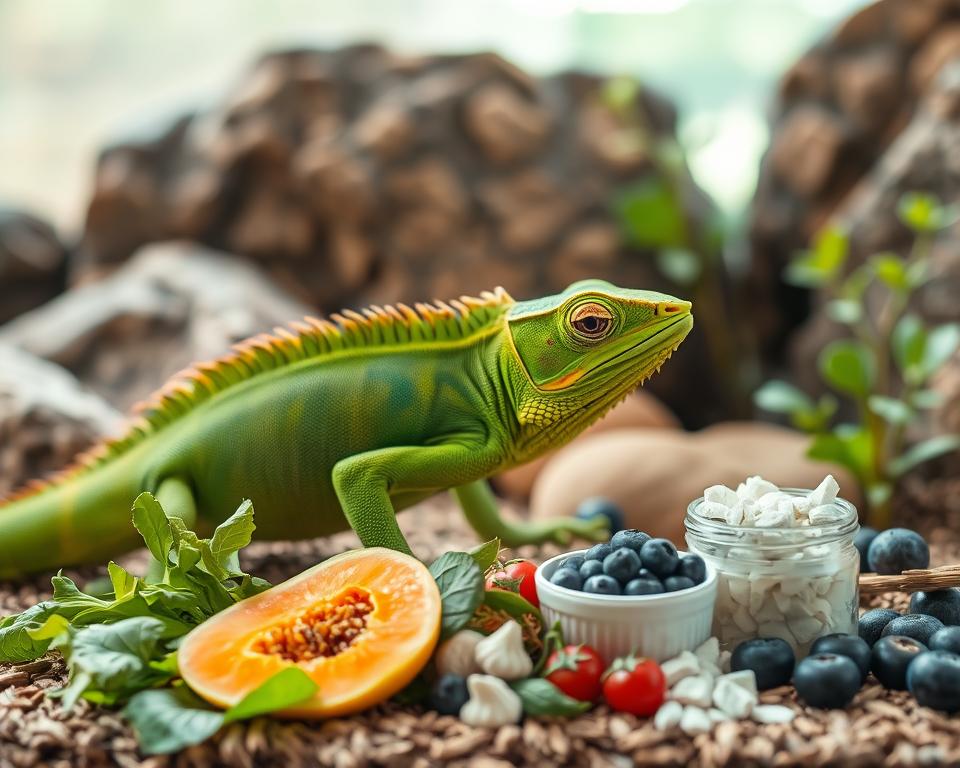
Essential Nutrients for Healthy Shedding
Reptiles need a mix of vitamins and minerals for healthy skin. Calcium and vitamin D3 are vital for skin health and shedding. Without them, shedding can be tough.
Omega-3 fatty acids also help skin health. And vitamin A is important for the reptile’s overall health.
Impact of Diet on Skin Health
A reptile’s diet affects its skin and shedding. A balanced diet with proteins, vitamins, and minerals is essential. For example, protein helps skin grow and renew.
It’s also key to know your reptile’s specific dietary needs. Meeting these can prevent shedding issues.
Feeding your reptile a well-rounded diet is vital. It helps avoid reptile skin shedding complications and supports healthy shedding.
Handling Shedding in Baby Reptiles
Shedding in hatchlings is a delicate process. It requires a deep understanding of reptile molting challenges. As a reptile owner, knowing the unique challenges baby reptiles face is key.
Unique Challenges for Hatchlings
Baby reptiles face several challenges during shedding. These include inadequate humidity and nutritional deficiencies. These factors can make shedding hard, leading to dysecdysis, or difficult shedding.
Keeping the right environment is a big challenge for hatchlings. Humidity is very important for a smooth shed. Without enough humidity, the skin may not shed right, causing health problems.
| Challenge | Description | Solution |
|---|---|---|
| Inadequate Humidity | Low humidity can cause the skin to stick, making shedding difficult. | Maintain a humid environment using a hygrometer and misting system. |
| Nutritional Deficiencies | Lack of essential nutrients can affect skin health and shedding. | Provide a balanced diet rich in vitamins and minerals. |
Tips for Assisting Young Reptiles
To help young reptiles during shedding, owners can take several steps. First, making sure the correct humidity levels are key. Use a hygrometer to check the environment and a misting system to keep humidity right.
- Monitor the environment closely to ensure optimal conditions.
- Provide a nutritious diet to support skin health.
- Offer a shallow water dish for soaking to help loosen the skin.
By understanding the unique challenges hatchlings face and following these tips, reptile owners can help ensure a smooth shedding process for their young pets.
Common Species and Their Needs
Reptiles shed their skin in different ways, each needing special care. Knowing these needs is key to giving your reptile the best care.
Shedding Patterns in Popular Pet Reptiles
Bearded dragons, leopard geckos, and corn snakes shed differently. Bearded dragons shed in patches, while snakes shed in one piece. Knowing these patterns helps spot any shedding issues early.
- Bearded dragons: They shed in patches, and the process can be influenced by factors like humidity and nutrition.
- Leopard geckos: These geckos shed their skin in fragments, and their shedding can be affected by environmental conditions.
- Corn snakes: Snakes shed their skin in one piece, and the frequency of shedding can vary based on age and growth rate.
Unique Care Tips for Each Species
Each reptile needs special care for healthy shedding. For example, bearded dragons and leopard geckos need more humidity. Corn snakes need the right temperature.
To help with shedding, use reptile shedding solutions like humid hides for geckos and snakes. Also, feed them a balanced diet rich in nutrients. For snakes, a moist hide helps loosen the old skin.
- Monitor humidity and temperature levels for your species.
- Feed a nutritious diet that supports skin health.
- Ensure enough hydration with proper water bowls or misting systems.
By understanding and meeting your reptile’s shedding needs, you can greatly improve its health and happiness.
Effective Shedding Aid Products
The right products can make a big difference in a reptile’s shedding. As a reptile owner, knowing what’s out there is key. It helps keep your pet healthy during shedding.
Recommended Products for Reptile Shedding Support
Many products are made to help reptiles shed. These include:
- Reptile shedding sprays
- Humidity tents
- Soaking solutions
Shedding sprays moisturize the skin, making it easier to shed. Humidity tents provide a humid space for shedding. Soaking solutions help loosen stuck skin.
Dr. John Smith, a reptile care expert, says, “The right products can greatly help a reptile shed its skin.”
“The key to successful shedding is maintaining the right environment and using products that support the reptile’s natural shedding process.”
Natural Remedies to Aid Shedding
There are also natural ways to help with shedding. These include:
- Bathing in lukewarm water
- Using a humidifier
- Applying coconut oil or other natural moisturizers
| Remedy | Benefits |
|---|---|
| Lukewarm Baths | Helps loosen stuck skin |
| Humidifier | Maintains optimal humidity levels |
| Coconut Oil | Moisturizes the skin |
Combining these methods can be very effective. For example, using a humidifier with lukewarm baths helps a lot.
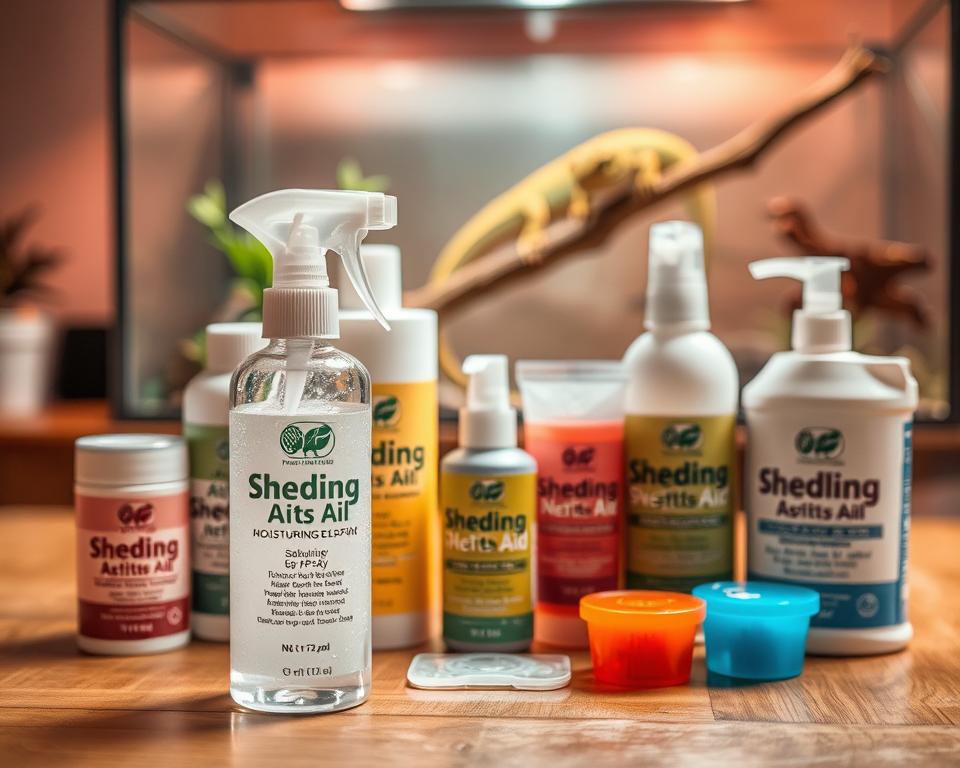
By using the right products and natural remedies, reptile owners can help their pets shed well. This promotes their health and happiness.
Preventing Shedding Problems
Reptile owners can greatly reduce shedding issues by following best care practices. Shedding is natural for reptiles, but problems can occur if their care is not right. Understanding what affects shedding helps owners keep their reptiles healthy.
Best Practices in Reptile Care
Good reptile care includes several key elements that affect shedding. Maintaining optimal humidity levels is very important. Dry conditions can make shedding hard. Most reptiles need humidity between 30% and 60%, but it depends on the species.
Nutrition is also key for healthy shedding. A diet full of vitamins and minerals keeps the skin healthy. For example, calcium and vitamin D3 are important for many reptiles. They help the skin and scales stay healthy.
“A well-cared-for reptile is less likely to experience shedding problems. Proper care includes a balanced diet, appropriate humidity, and a clean, stress-free environment.”
Regular Maintenance Tips for Habitat
Keeping a reptile’s habitat clean is vital to prevent shedding issues. Clean the enclosure often to avoid bacteria and fungi. Regularly checking and replacing substrate also keeps the environment clean.
Make sure the enclosure is well-ventilated and has the right temperature. Many reptiles need a warm spot for basking and a cooler area for thermoregulation. The right temperature helps reduce stress and promotes healthy shedding.
- Monitor and adjust humidity levels regularly.
- Provide a balanced and nutrient-rich diet.
- Maintain a clean and well-ventilated enclosure.
- Ensure appropriate temperature gradients.
By following these best practices and keeping the habitat clean, reptile owners can lower the chance of shedding problems. Regular care helps ensure shedding happens smoothly and without issues.
After Shedding: Skin Care
After shedding, your reptile’s health depends on how you care for it. It’s key to create the right environment to avoid problems.
Caring for Your Reptile’s New Skin
Right after shedding, your reptile’s skin is very sensitive. Maintaining optimal humidity levels in the enclosure is vital. It keeps the skin moist and helps it heal.
Also, make sure your reptile has clean, fresh water to drink. This is important for skin health.
Using a gentle mist in the enclosure can help keep humidity right. Some people also give their reptiles a shallow water dish for soaking. This helps keep the skin moist.
Watching for Signs of Infection
It’s important to watch for signs of infection after shedding. Look for unusual discoloration, swelling, or discharge around the eyes, nose, or other areas. If you see these signs, see a vet who knows about reptiles.
Check your reptile’s skin often to catch any problems early. Also, watch for changes in behavior or appetite. These can mean your reptile is not feeling well.
Conclusion: Embrace the Shedding Cycle
Understanding and supporting our reptiles during shedding is key to their health. We must face the challenges of reptile molting and skin shedding. This way, we can find good solutions for shedding.
Successful Shedding Experiences
Celebrating when reptiles shed successfully is more than just overcoming a hurdle. It’s about giving them the best care. We should help them shed and create a healthy environment for it.
Ongoing Care for Optimal Health
Keeping our reptiles healthy requires ongoing care. This means creating a good environment and giving them shedding advice. For more tips on helping your bearded dragon shed, check out Talis-us.com.
By dedicating to this care and knowing about shedding challenges, we can greatly improve our reptiles’ lives.