

Did you know a good bioactive substrate is key to a thriving ecosystem? It supports the health of your plants and animals. As someone who loves creating sustainable spaces, I’m excited to share a detailed bioactive substrate guide with you.
We’ll dive into the perks of bioactive substrates and show you how to set them up. This guide is for everyone, whether you’re new to gardening or have lots of experience. It will help you build a healthy, sustainable space. For more tips on keeping your bioactive habitat in top shape, check out this resource on long-term maintenance.
Key Takeaways
- Create a thriving ecosystem with a well-designed bioactive substrate
- Understand the benefits of bioactive substrates for your plants and animals
- Learn how to set up a bioactive substrate for your specific needs
- Maintain a healthy and sustainable environment with proper care
- Explore the importance of a clean-up crew in a bioactive habitat
What is Bioactive Substrate?
Bioactive substrates are key in horticulture for plants and animals. They support many microorganisms. These microbes break down organic matter and recycle nutrients, making a self-sustaining ecosystem.
Definition and Importance
Bioactive substrates are engineered to mimic natural ecosystems. Microorganisms in them decompose organic matter and make nutrients for plants. This method reduces the need for fertilizers and creates a healthy and balanced environment for plants.
The importance of bioactive substrates is in their support for complex microbial communities. These communities are vital for breaking down organic waste and cycling nutrients. This promotes healthy plant growth and lowers the risk of pests and diseases.
Benefits for Various Environments
Bioactive substrates have many benefits for terrariums, vivariums, and greenhouses. In a naturalistic vivarium substrate, they help maintain humidity and support plant growth. They also create a naturalistic environment that boosts the well-being of animals.
- Promotes healthy plant growth
- Reduces the need for fertilizers and pesticides
- Creates a self-sustaining ecosystem
- Supports biodiversity
Understanding the benefits and importance of bioactive substrates helps make informed decisions. This is for various horticultural and vivarium settings.
Types of Bioactive Substrates
There are many types of bioactive substrates to choose from. You can pick the best one for your garden, aquarium, or farm. Each option has its own benefits.
These substrates fall into three main categories: soil-based, hydroponic, and hybrid. Each type has its own special features and advantages.
Soil-Based Options
Soil-based substrates are great for microorganisms. They are full of organic matter and support many types of microbes.
- Advantages: Natural ecosystem, rich in biodiversity, and can be cost-effective.
- Considerations: May require more maintenance, and there’s a risk of contamination.
Hydroponic Alternatives
Hydroponic substrates don’t use soil. Instead, they use nutrient-rich solutions to help plants grow.
- Advantages: Water-efficient, reduces soil erosion, and can be controlled well.
- Considerations: Initial setup is expensive, and precise nutrient management is needed.
Hybrid Solutions
Hybrid substrates mix soil-based and hydroponic systems. They aim to offer the best of both worlds.
- Advantages: Versatile, can be customized, and provides a balanced ecosystem.
- Considerations: Setup and management can be complex.
Creating a bioactive substrate means knowing what your plants and environment need. By picking the right substrate, you can boost biodiversity and create a healthy ecosystem.
To make your own substrate, first choose a base material (soil, hydroponic medium, or hybrid). Next, add organic matter and beneficial microbes to support a thriving community.
How to Choose the Right Bioactive Substrate
Knowing what your plants or animals need is the first step in picking the right bioactive substrate. Whether you’re creating a terrarium or vivarium, the right substrate is key to a thriving space.
Choosing a bioactive substrate involves several factors. You must think about what your plants or animals need, the environment they’ll live in, and your budget.
Consider Your Plants’ Needs
Different plants and animals have different needs for their substrate. Some plants like it moist, while others prefer it dry. For reptiles in a terrarium, you need a substrate that holds moisture but also drains well. The best bioactive substrate for reptiles is one that matches their natural habitat and supports their health.
To find the right substrate, learn about the specific needs of your plants or animals. Look at moisture levels, pH, and nutrient needs.
Assessing Environmental Conditions
The environment of your terrarium or vivarium also matters when choosing a substrate. Temperature, humidity, and light can affect how well the substrate works.
In humid environments, you might need a substrate that fights mold and fungus. In dry places, a substrate that holds moisture is better.
Budget and Availability
Lastly, your budget and what substrates are available are important. Some substrates might be better but cost more or be harder to find.
Here’s a table comparing different bioactive substrates based on their features, cost, and availability:
| Substrate Type | Moisture Retention | pH Level | Cost | Availability |
|---|---|---|---|---|
| Soil-Based | High | 6.0-7.0 | Moderate | High |
| Hydroponic | Low | 5.5-6.5 | High | Moderate |
| Coconut Coir | Medium | 6.0-7.0 | Low | High |
By thinking about your plants’ needs, the environment, and your budget, you can pick the right bioactive substrate for your bioactive terrarium setup. The key is to choose a substrate that supports the health and well-being of your plants or animals.
Setting Up a Bioactive Substrate System
Setting up a bioactive substrate is more than picking materials. It’s about creating a thriving ecosystem. You’ll learn how to prepare your space, layer your substrate, and add beneficial microorganisms.
Preparing Your Space
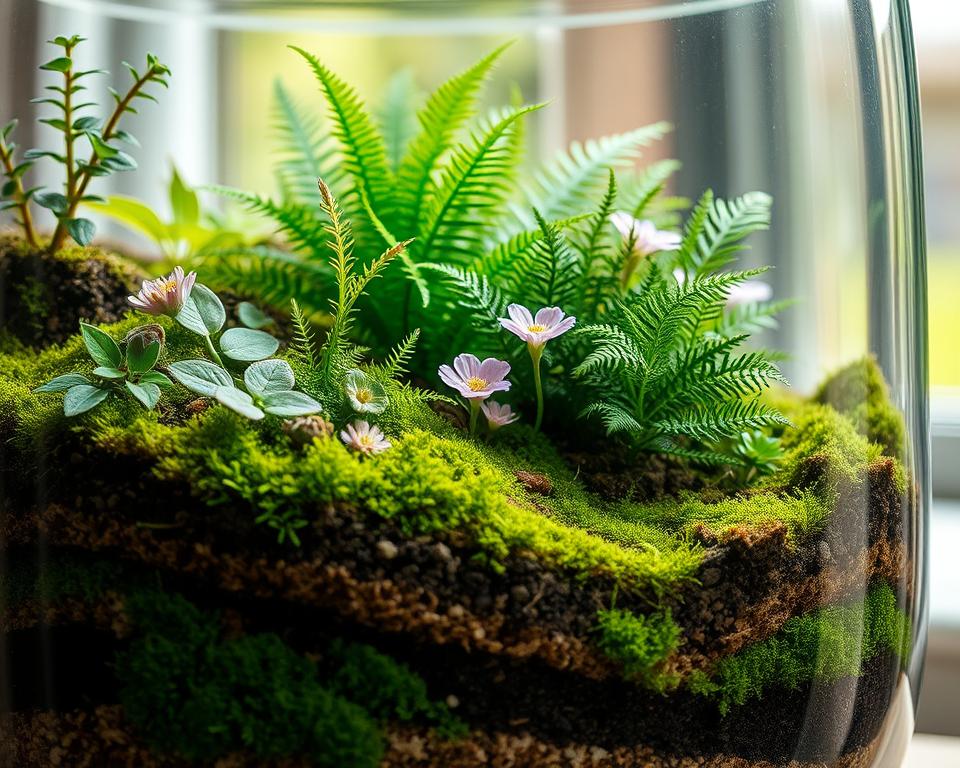
Before starting, prepare your space well. Choose a clean, contaminant-free container. It should have good air flow and enough depth for multiple substrate layers.
Layering Techniques
Layering is key in setting up a bioactive substrate. It creates a gradient for different microbes. Start with a drainage layer, then a nutrient-rich substrate, and finish with organic matter on top.
- Begin with a drainage layer using materials like gravel or perlite.
- Add a substrate layer that is rich in nutrients.
- Top-dress with organic matter such as leaf litter or compost.
Adding Microorganisms
Microorganisms are vital in a bioactive substrate. They break down organic matter and make nutrients for plants. You can add microbes with inoculants or use substrate from an established system.
Tips for Successful Inoculation:
- Use a diverse inoculant that includes bacteria, fungi, and protozoa.
- Maintain optimal moisture and temperature conditions to support microbial growth.
- Monitor your substrate for signs of microbial activity, such as the presence of springtails or fungi.
By following these steps and being patient, you can create a thriving bioactive substrate. It will support healthy plant growth and biodiversity. As you gain experience, you’ll fine-tune your system for better results.
Maintenance of Bioactive Substrates
A well-maintained bioactive substrate is key to a healthy ecosystem. It supports the complex interactions between microorganisms, plants, and the substrate. This creates a balanced environment that fosters growth and health.
Monitoring pH and Nutrients
Regularly checking pH levels is important. It affects the availability of nutrients for plants and microorganisms. Most substrates work best in a slightly acidic to neutral pH range (6.0-7.0). Using a pH meter helps keep conditions ideal. Also, watch nutrient levels, as deficiencies can harm your ecosystem.
Watch for signs of nutrient deficiency, like yellow leaves or stunted growth. Balanced fertilizers can help. But, choose products that fit your plants’ needs and the bioactive environment.
Dealing with Contaminants
Contaminants can get into your substrate through water, air, or infected plants. Regular checks are key to catch contaminants early. Isolating affected areas and removing contaminated materials can stop it from spreading.
To lower contamination risks, keep things clean. Wash tools and hands before touching the substrate. Using sterile equipment when you can helps even more.
Replenishing Organics
Over time, organic matter in your substrate will break down and need to be replaced. Adding new organic materials, like compost or worm castings, keeps the substrate fertile and structured. Replenishment should be done gradually to avoid upsetting the ecosystem’s balance.
Adding materials that support microbial life, such as sphagnum moss or coconut coir, is also good. It helps plant health and builds a strong, diverse microbial community.
Enhancing Biodiversity in Your Substrate
A diverse microbial life is key to a successful bioactive substrate. It offers many bioactive substrate benefits for your plants and animals. By creating a thriving ecosystem, you support a wide range of species and foster a resilient environment.
Benefits of Diverse Microbial Life
A diverse microbial community is vital for your bioactive substrate’s health and stability. It boosts nutrient cycling, improves soil structure, and promotes plant health. It also provides essential micronutrients and helps suppress pathogens, reducing disease risk in plants.
Beneficial microorganisms are key in decomposing organic matter and making nutrients available to plants. They even produce substances that promote plant growth. By fostering diversity, you create a sustainable and self-sustaining ecosystem.
Strategies to Boost Biodiversity
To boost biodiversity in your bioactive substrate, introduce beneficial microorganisms through inoculants or organic amendments. Keep optimal moisture, temperature, and pH levels. These factors greatly influence microbial activity and diversity.
- Use a mix of different organic materials to create a varied substrate.
- Avoid over-fertilization, which can disrupt microbial balance.
- Monitor and adjust environmental conditions to support a broad range of microbial life.
By using these strategies, you can greatly enhance your bioactive substrate’s biodiversity. This leads to a more robust and naturalistic vivarium substrate that supports a wide range of plant and animal life.
Common Issues with Bioactive Substrates
Bioactive substrates have many benefits but also face challenges. It’s important to know these common issues to keep your bioactive environment healthy and thriving.
Nutrient Deficiencies
Nutrient deficiencies are a common problem with bioactive substrates. These can happen if there’s not enough microbial activity or if the nutrients are not balanced. Look for signs like yellow leaves or slow plant growth to spot these issues.
It’s key to regularly check your substrate’s nutrient levels. You can do this by taking soil tests to see the nutrient content and pH levels. Use the test results to adjust your fertilizing to make sure your plants get what they need.
Preventing Overwatering
Overwatering can cause root rot and reduce oxygen in the substrate. To avoid this, understand how much water your plants need and how well your substrate holds water.
Having a good watering schedule and ensuring good drainage are important. Tools like moisture meters can help you keep an eye on the substrate’s moisture levels.
Pest Management Techniques
Pests can harm plants and upset the ecosystem in bioactive substrates. It’s essential to have effective pest management techniques to keep things balanced.
Managing pests can involve introducing beneficial organisms, using barriers to keep pests out, and organic pest control when needed. Always watch for pests in your substrate to catch them early and deal with them quickly.
Bioactive Substrate in Different Settings
Bioactive substrates are great for many places, from small gardens to big farms. They are perfect for anyone, from hobbyists to big farmers. This makes them very useful.
Home Gardens
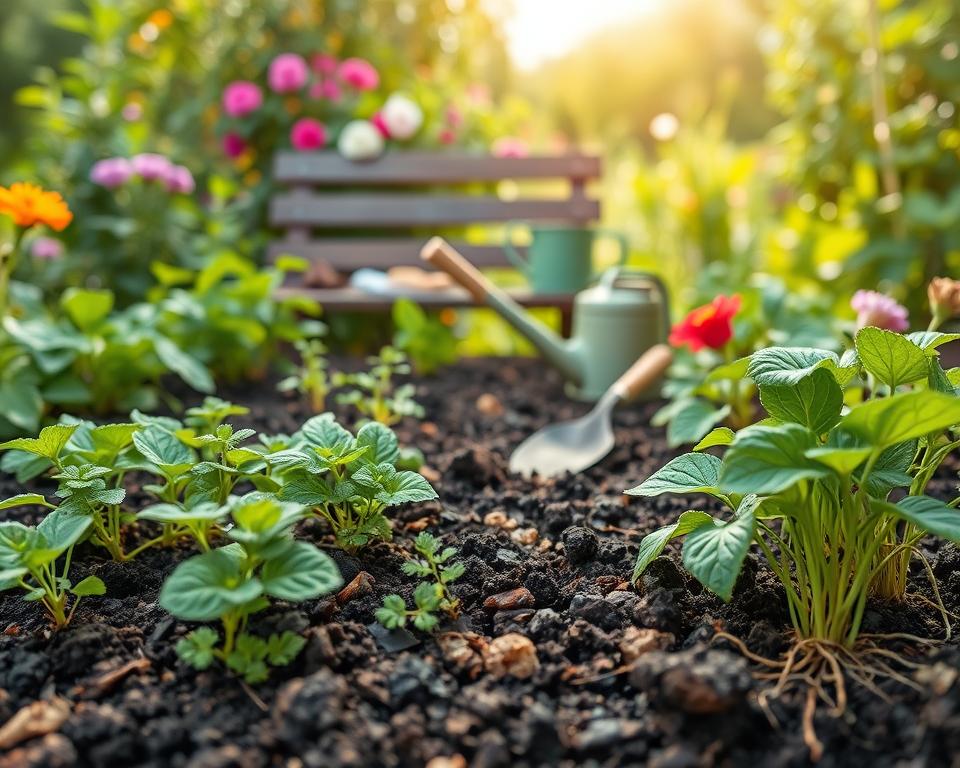
In home gardens, bioactive substrates boost soil health and add life. They mix organic stuff and good bugs to help plants grow strong. For example, adding compost and bioactive substrate makes soil better for plants.
To start with bioactive substrates in your garden, first check your soil. Then pick the right bioactive substrate and follow the instructions.
Aquariums and Terrariums
Bioactive substrates are popular in aquariums and terrariums, too. They keep these spaces clean and healthy for animals. For instance, the best bioactive substrate for reptiles helps with nutrients and less cleaning.
When making a bioactive aquarium or terrarium, choose the right substrate. Make sure it fits your animals and their home. This is key for their health.
Commercial Agriculture
In big farming, bioactive substrates are a green choice. They help soil life and make nutrients better, which means more food without harmful chemicals. This is good for the planet and farming.
Farmers can use bioactive substrates by changing how they prepare soil. They can add organic stuff and watch soil health to get the most out of it.
Future Trends in Bioactive Substrates
Looking ahead, I’m thrilled about the new trends in bioactive substrates. These changes will likely change how we grow and interact with these ecosystems. The field is growing fast, thanks to new materials, green practices, and research findings.
Emerging Materials
New materials are being created to boost bioactive substrate benefits. Think advanced hydroponic systems and hybrid solutions that mix soil and soilless cultivation. These new options are opening up more choices for growers.
Eco-Friendly Practices
Sustainability is key in bioactive substrates now. I see a move towards using recycled materials, cutting down on waste, and boosting biodiversity. These steps help the planet and create stronger, healthier ecosystems.
Advancements in Research
Research is uncovering more about bioactive substrates. As we learn more, we can make these ecosystems better. I’m eager to see what the future holds for this research.